
Socotra Uncovered: New Frontiers in Fly Fishing
Over the past year, we have only scratched the surface of the fly-fishing potential of our Socotra fishery. The very first exploratory trips in 2023 were nothing short of phenomenal, but in October 2023, we were forced to pause our discovery due to construction projects around our fly fishing zone.
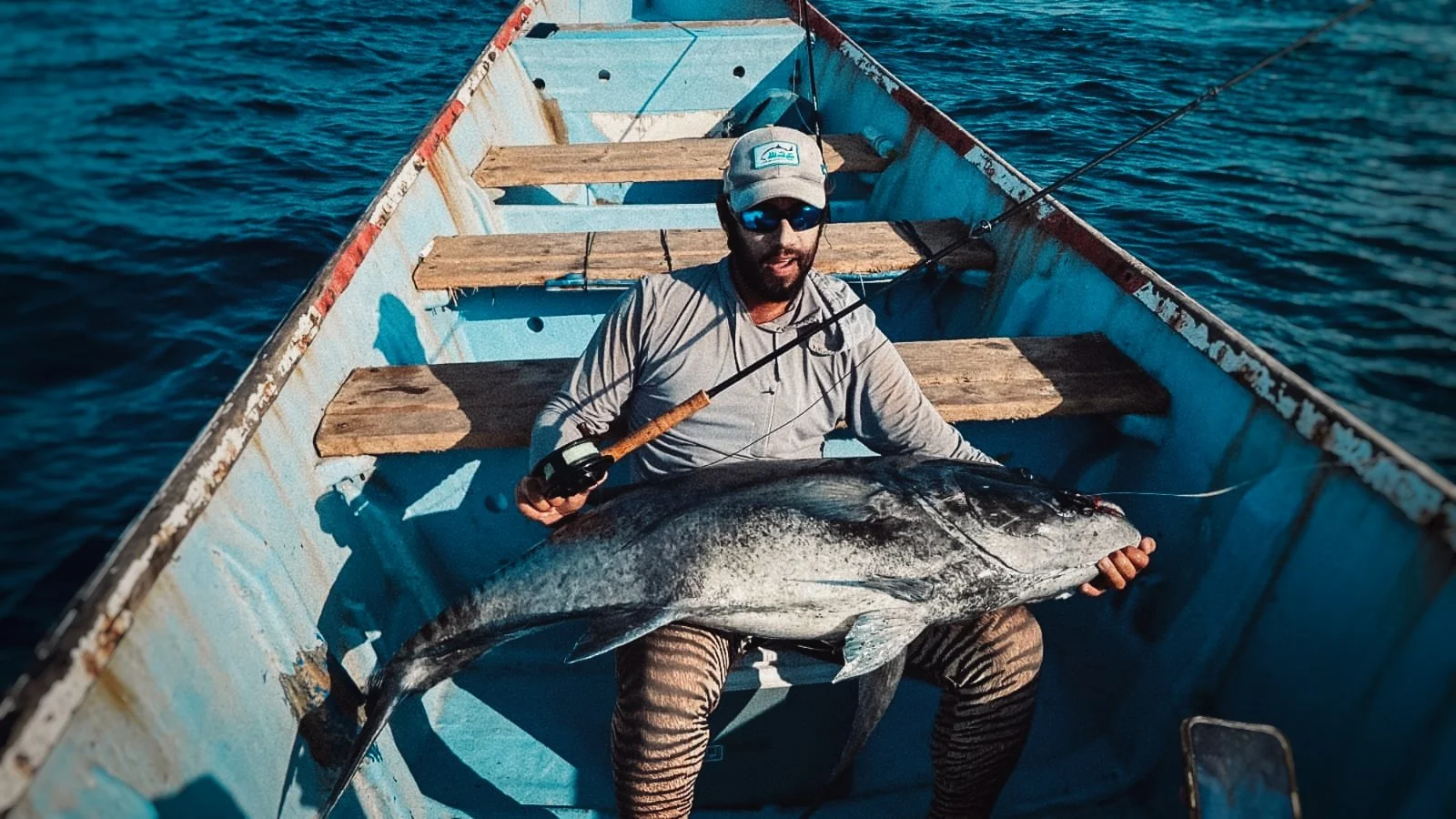
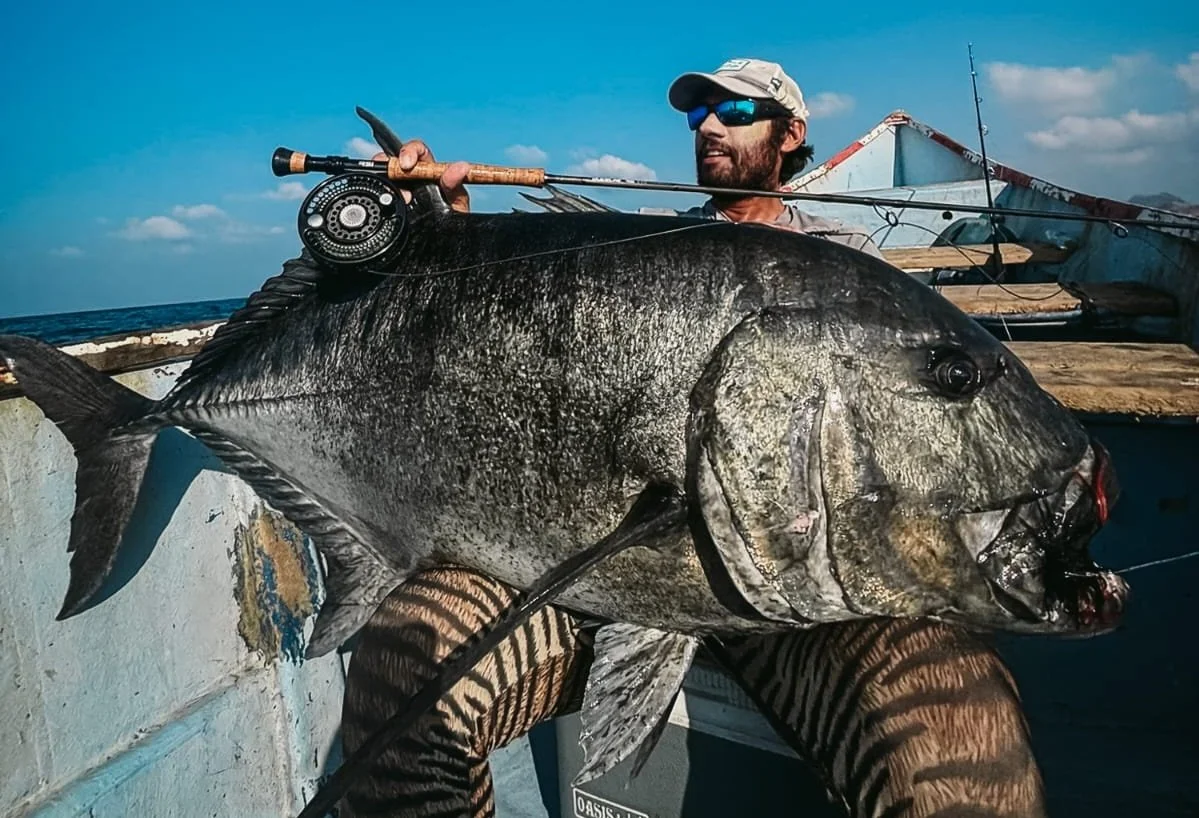
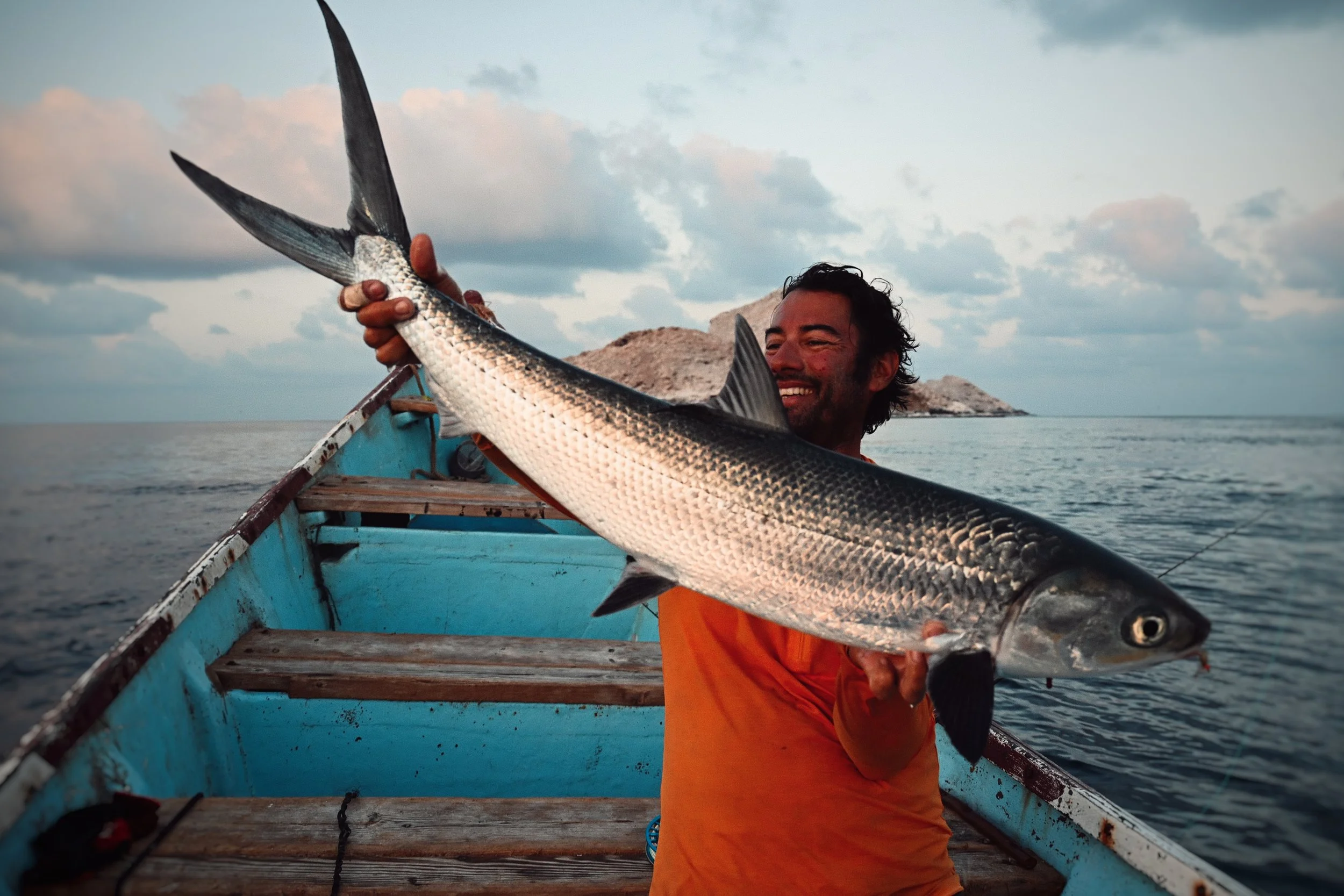
Once things returned to normal, I had the chance to spend some time fly fishing from the boat again in October 2025, and once more, the results were incredible. In just three days of fishing, we landed three GTs ranging from 25 to 40 kg, along with multiple reef species such as Green Jobfish, huge Red Snapper, and Bluefin Trevally. Everything was topped off by multiple Milkfish hookups, with two landed, the largest around 15 kg.
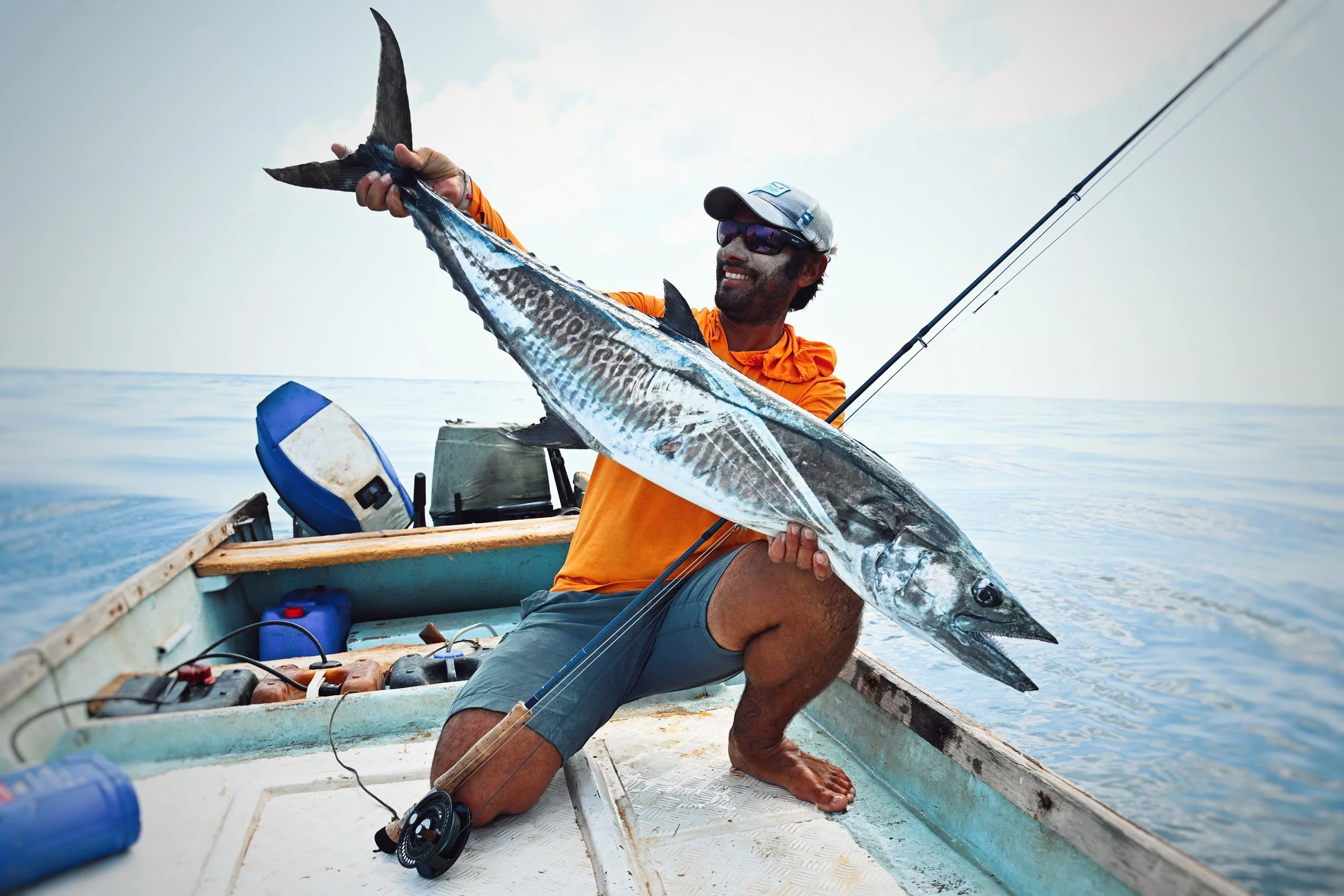
Following this, we decided to bring our exploratory journey back to the table and planned a four-week fly fishing expedition with a much stronger focus on offshore fishing.
As usual, once you make plans, things rarely happen exactly the way you expect. This year, weather conditions across the region were strongly influenced by El Niño, bringing strong southern winds almost every day of our trip. On top of that, the spawning patterns were highly unusual, with massive congregations of GT offshore in a single area and very few fish remaining inshore.
On the other hand, these unusual conditions helped us discover something completely new and extremely interesting.
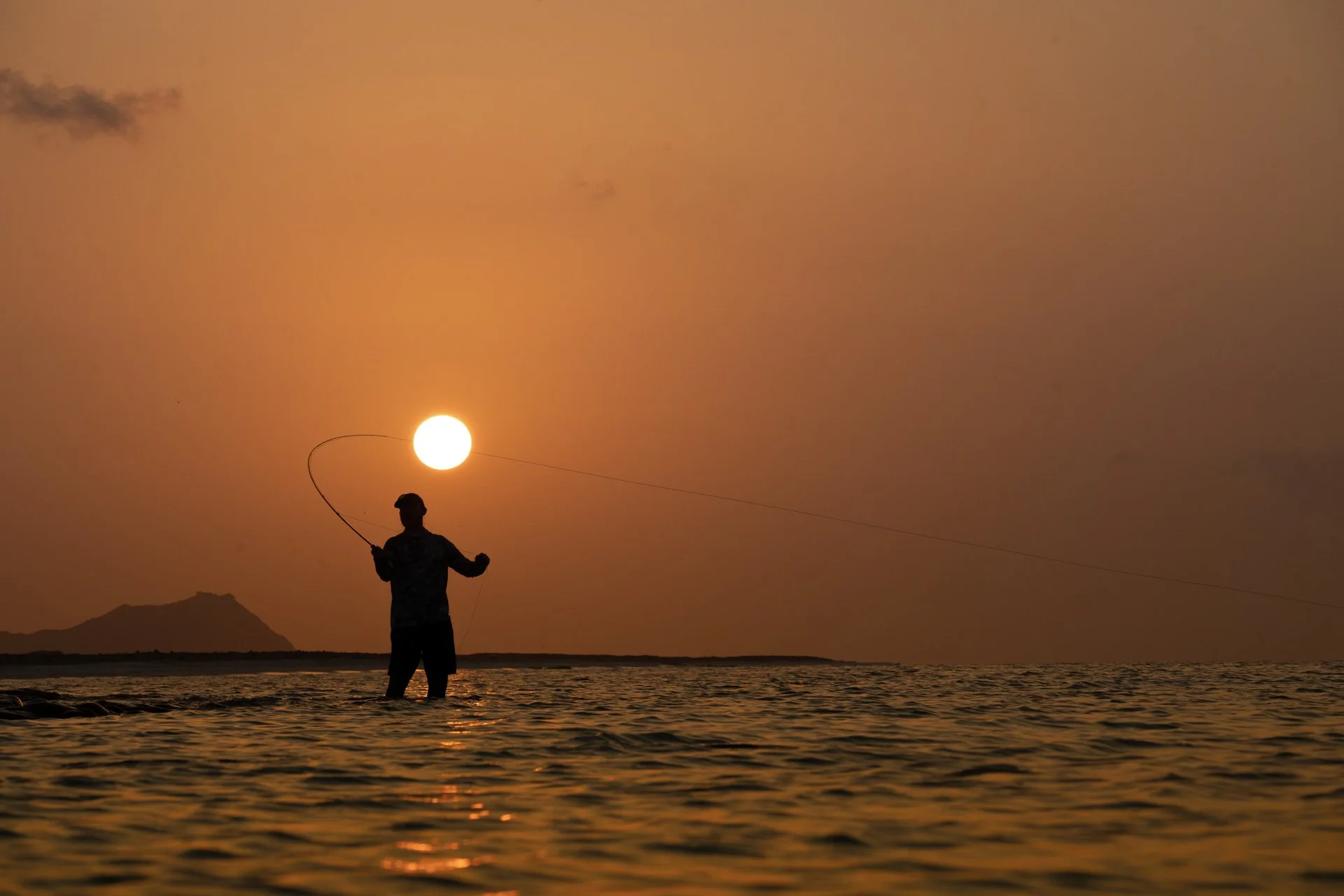
As our scouting began, the wind was pumping hard from behind us, creating perfect conditions that kept the beaches in front of us calm and flat. During the first two days of fishing, we saw and hooked more Bonefish than ever before. The second day was exceptional, with 10 Bonefish hookups, all over 65 cm, including two fish estimated at over 75 cm that we unfortunately lost.
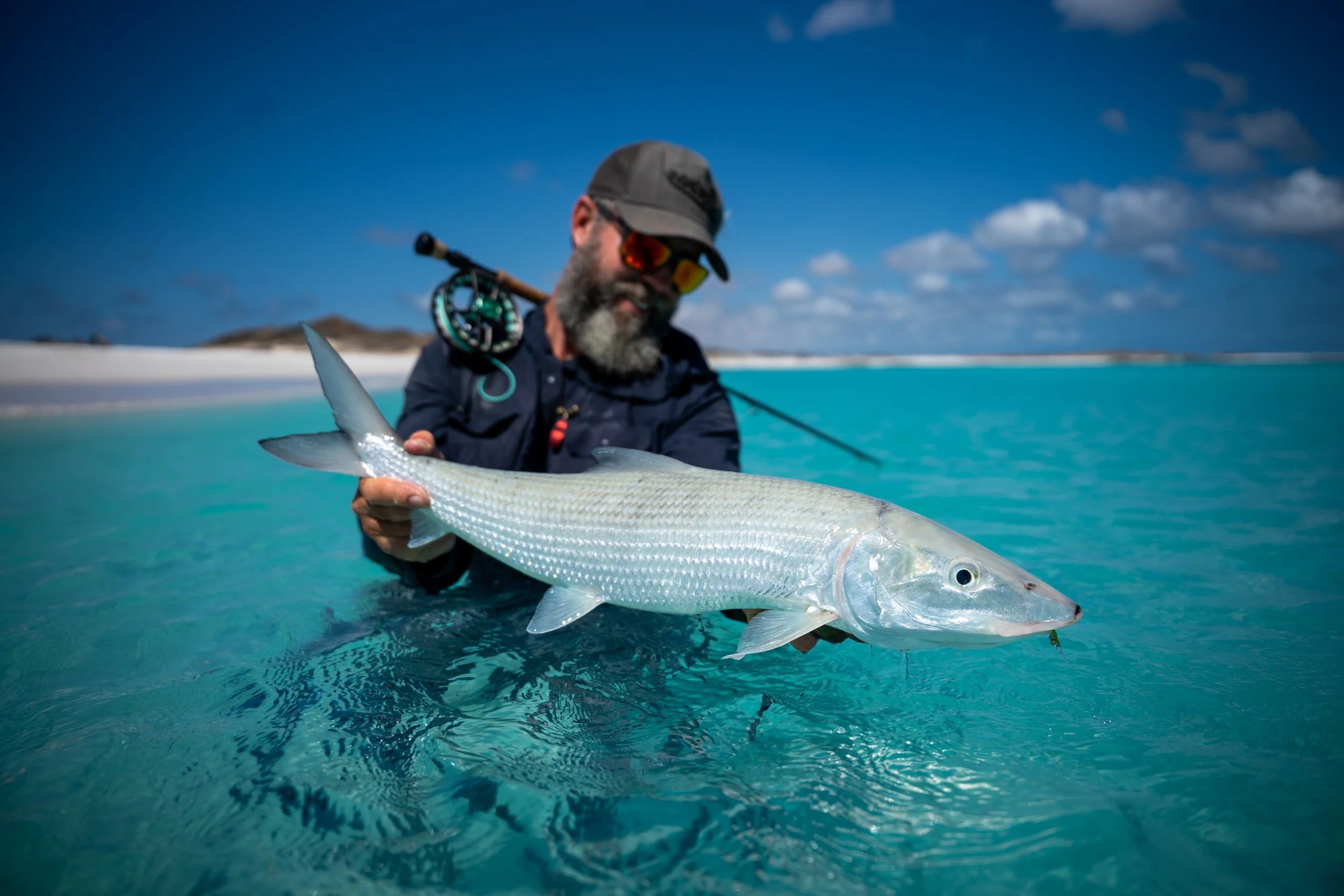
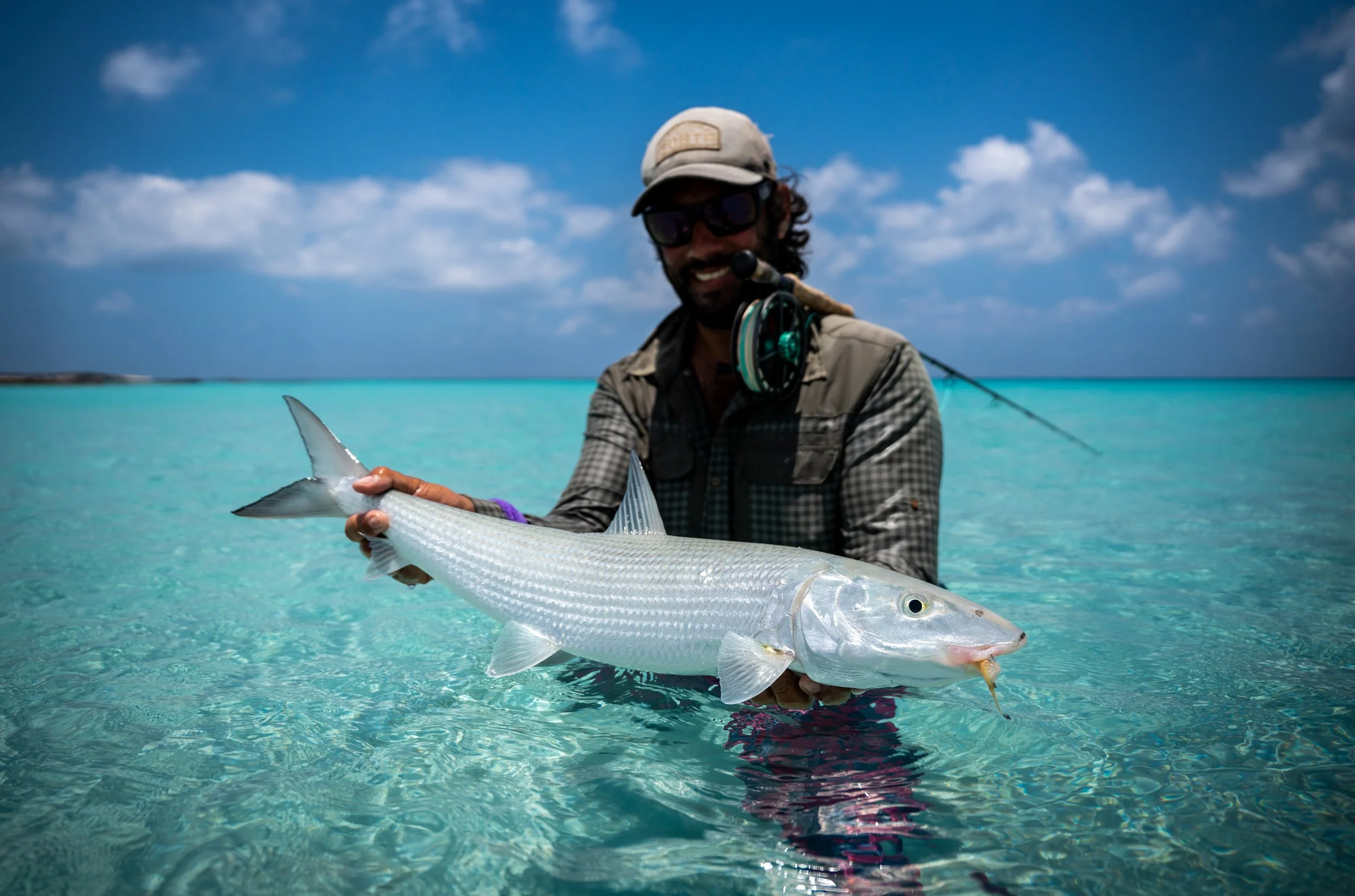
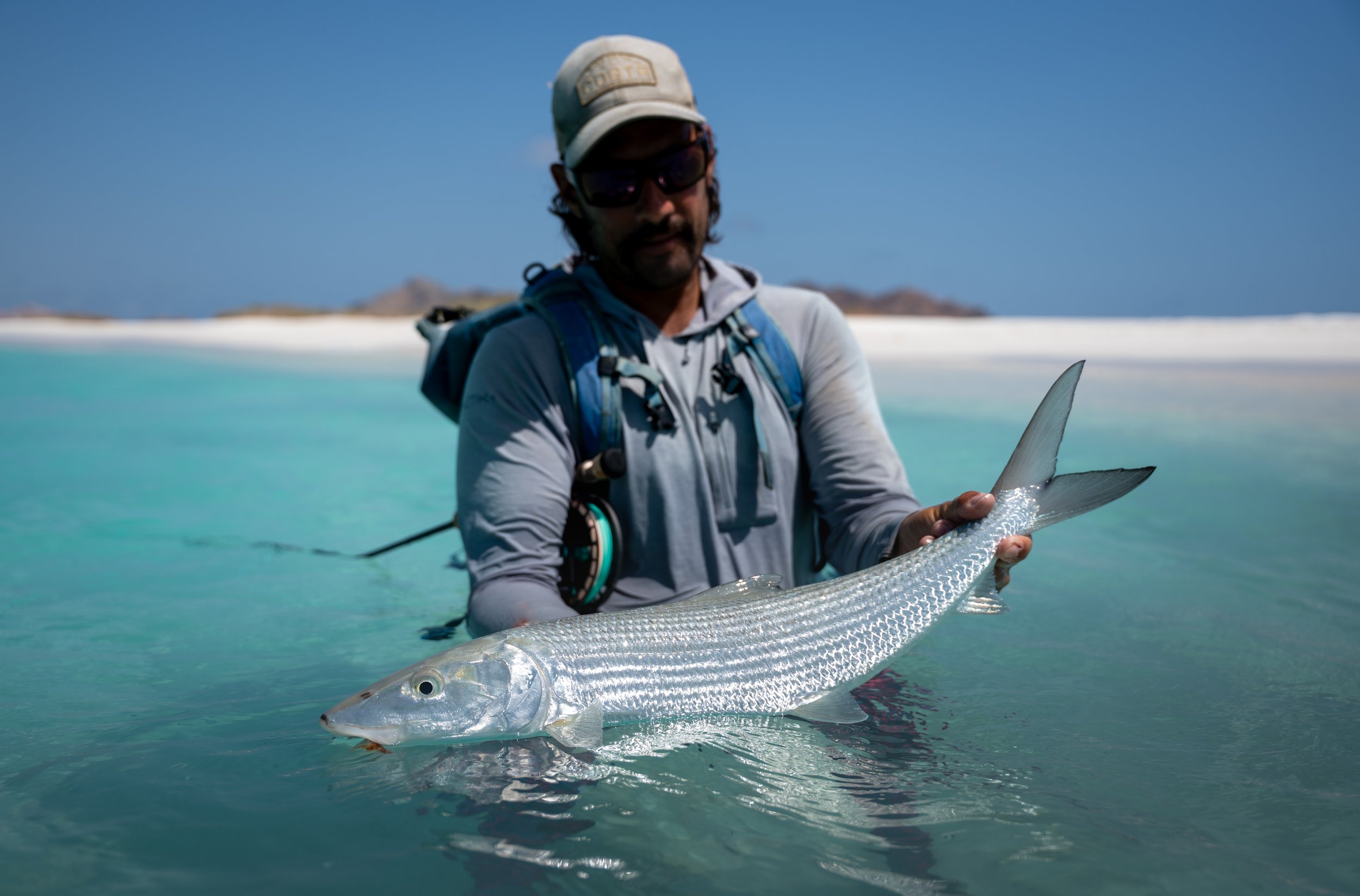
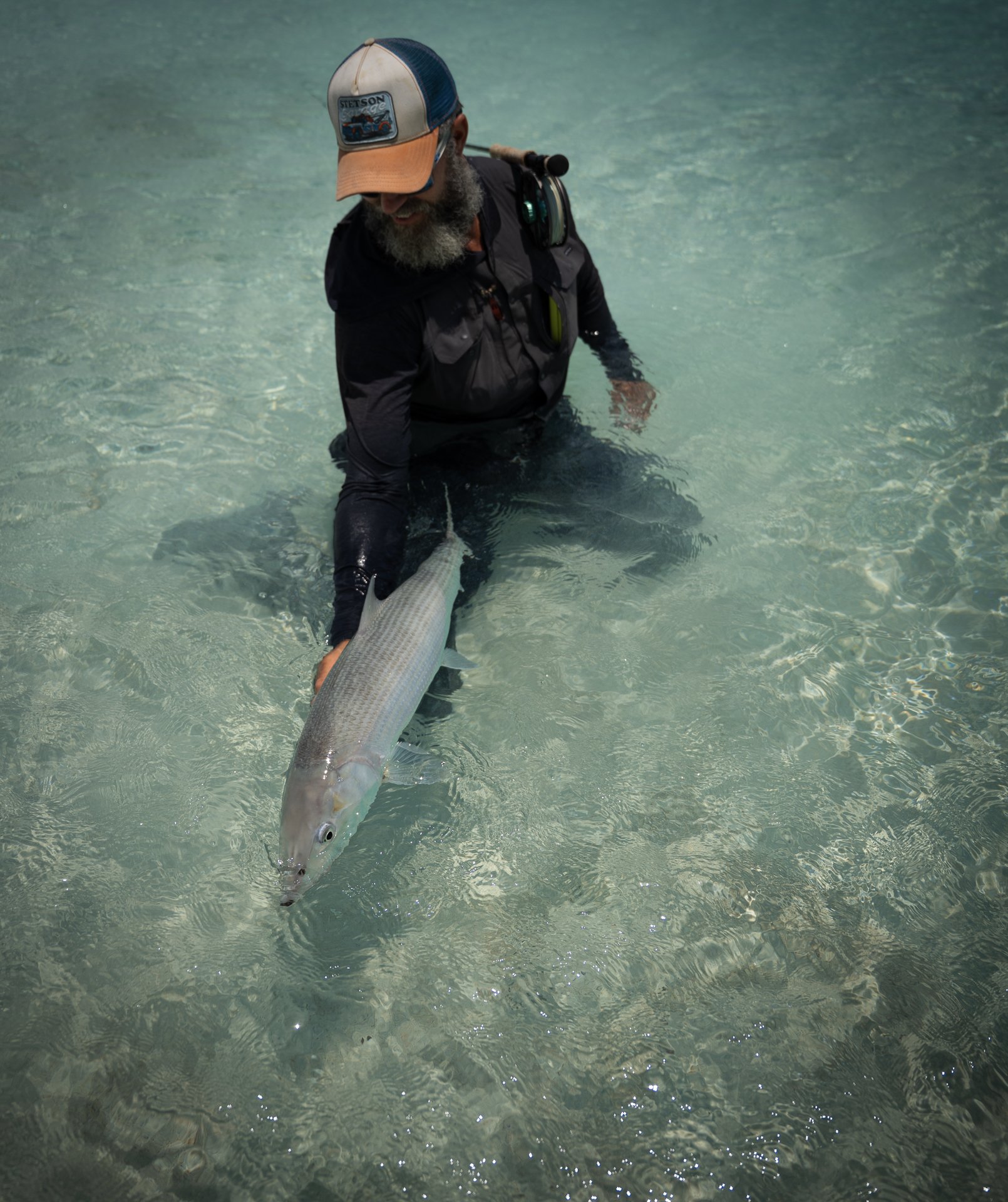
At first, we thought it was related to the moon phase, but eventually we discovered the real reason. The strong wind was pushing massive amounts of small bait close to shore, attracting unusually large Bonefish into the shallows to feed. These Bonefish are primarily predatory, grow to massive sizes, and absolutely love small to medium Clouser patterns. At the same time, you often need to cast extremely far, usually 20 meters or more, often with the full line out.
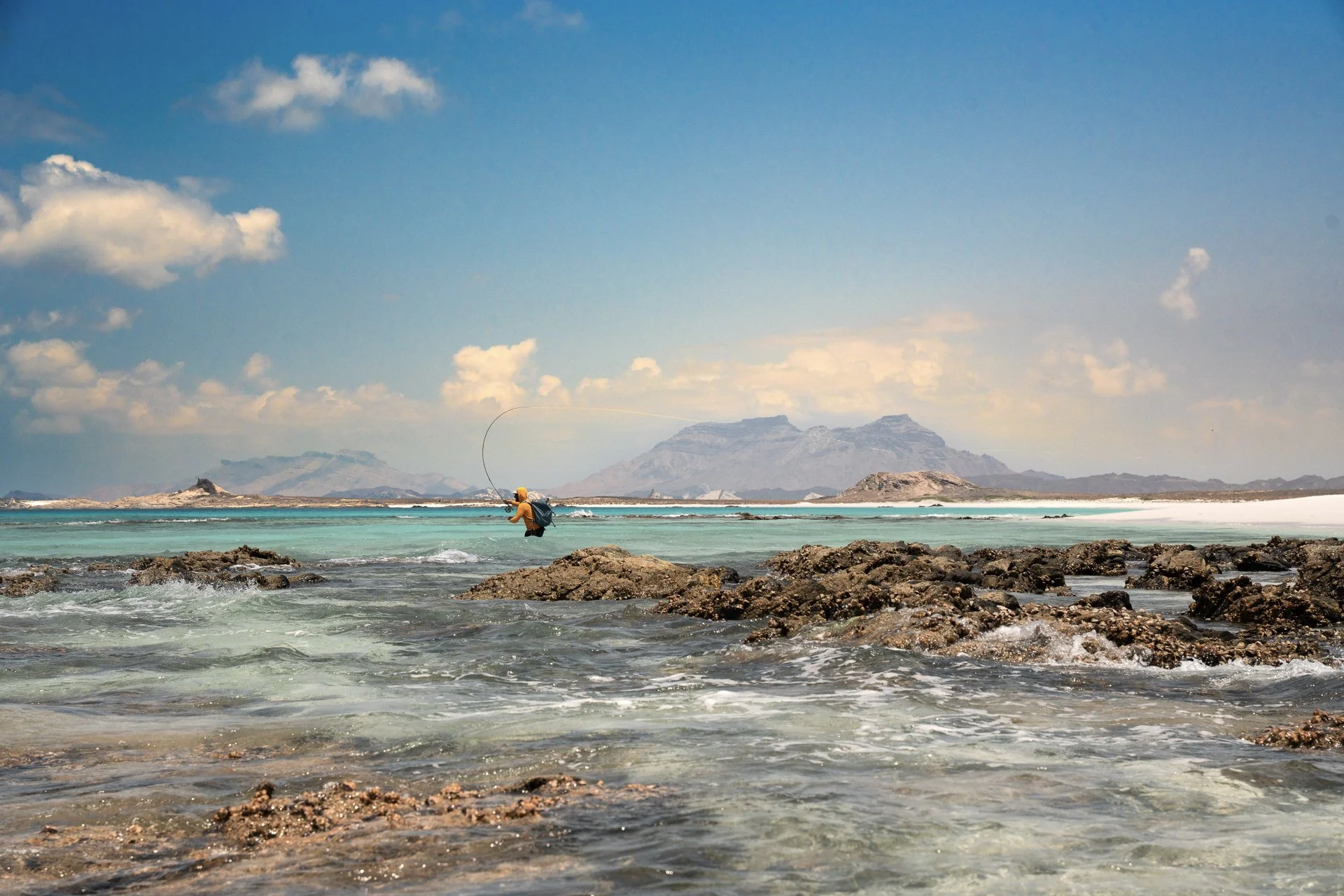
In the end, we caught an unusual number of Bonefish. While we did not land many truly giant specimens, we definitely lost two fish over 80 cm, and several others were clearly larger than anything we had seen before.
This has now become a clear pattern for us, and we plan to continue exploring these specific conditions during certain periods of the year.
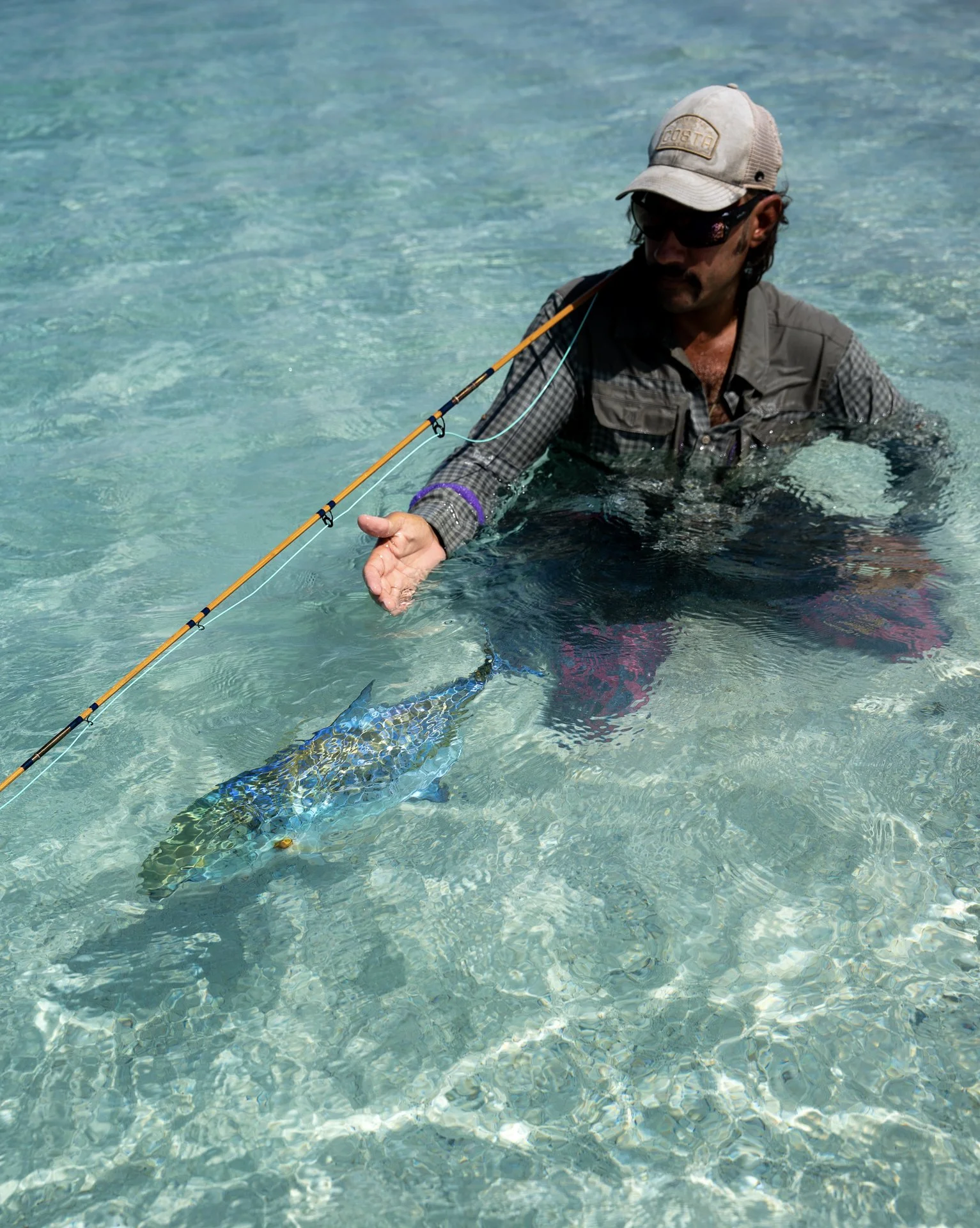
On top of the Bonefish action, we found good numbers of Trevally. We encountered plenty of Bluefin, and this season also brought a higher number of Yellowspotted Trevally, which are incredibly fun on an 8 wt with a thin leader. I lost an African Pompano well over a meter long on a small crab pattern, and we had shots at two others of a caliber that truly made us shake, fish well over 130 cm. We landed a huge Blue Triggerfish and lost a couple more, landed several Permit, and had multiple opportunities at others.
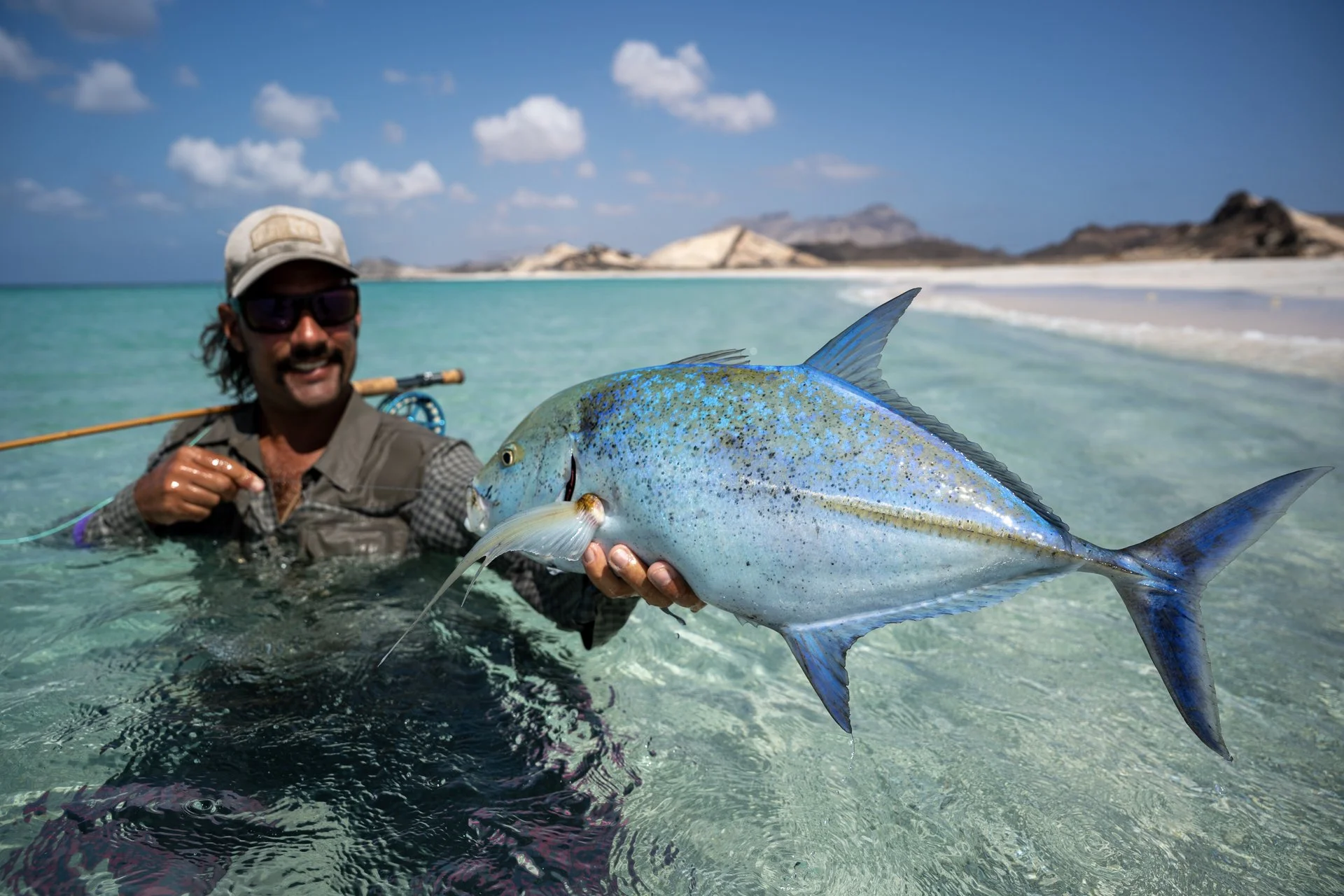
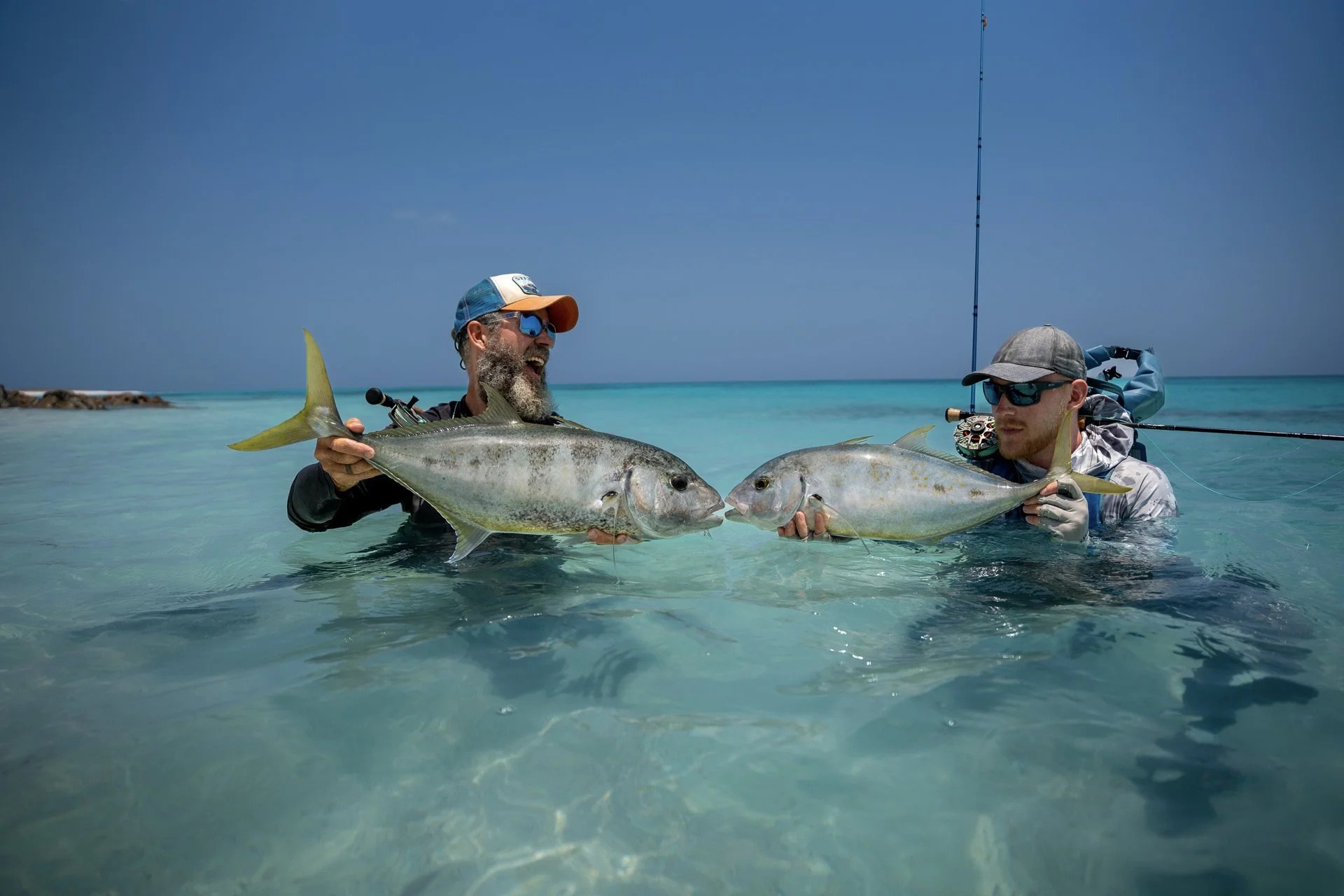
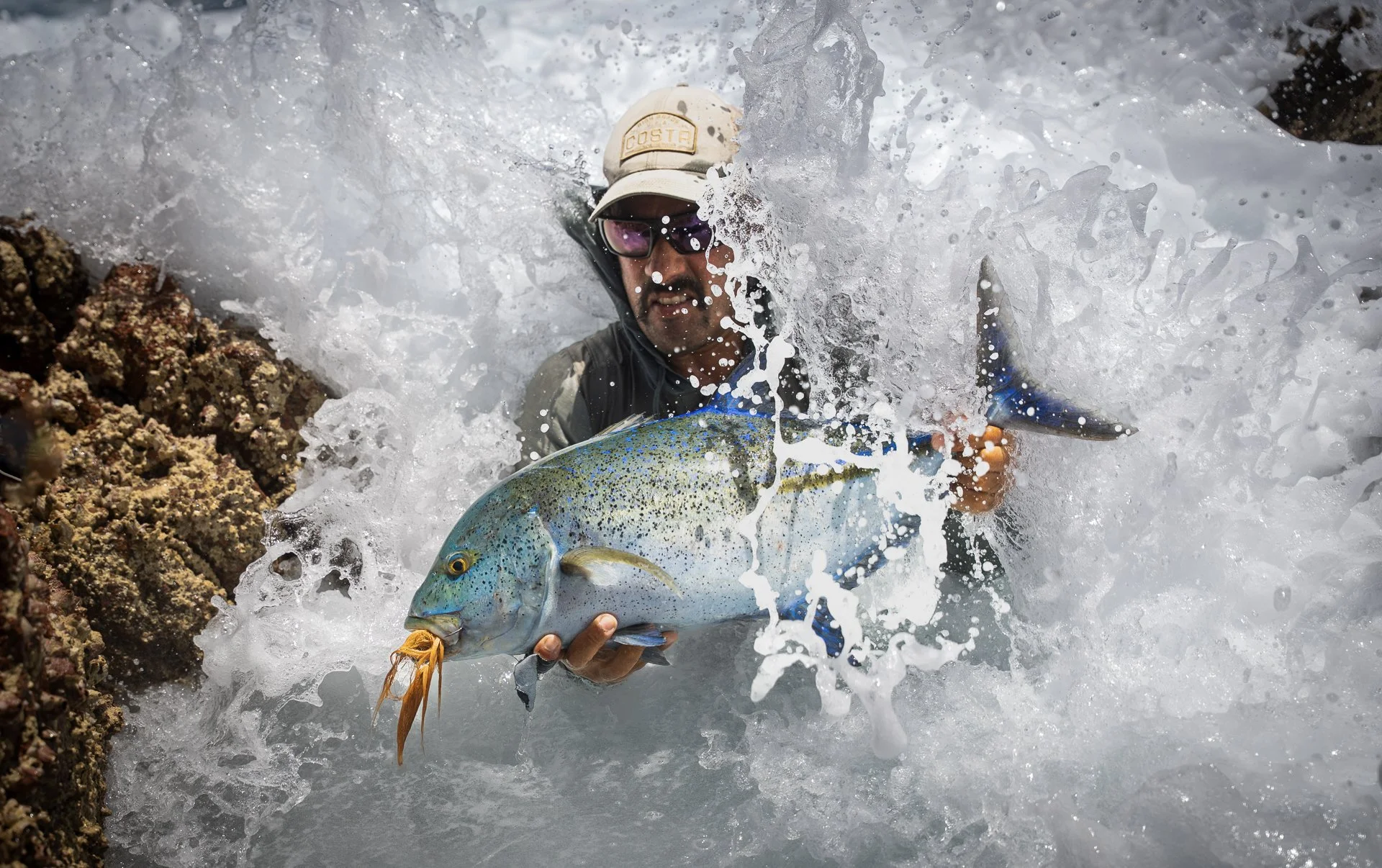
We also hooked big Snapper from the beach, landed a couple of Surgeonfish species, False Albacore from shore, big Sweetlips, Three-spotted Pompano, Small Scale Queenfish, Bigeye Trevally, Blue-barred Trevally, and, of course, plenty of large Parrotfish.
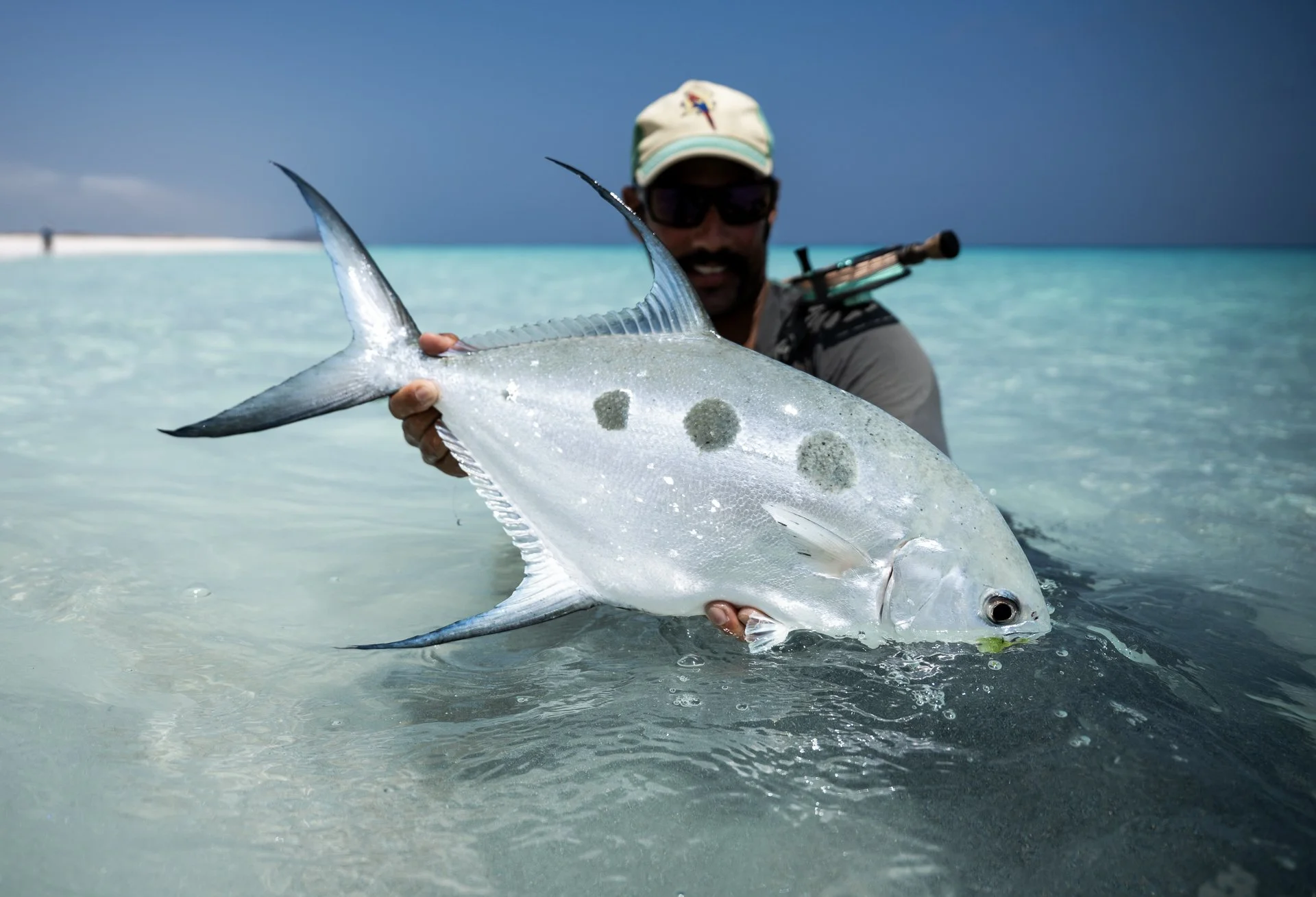
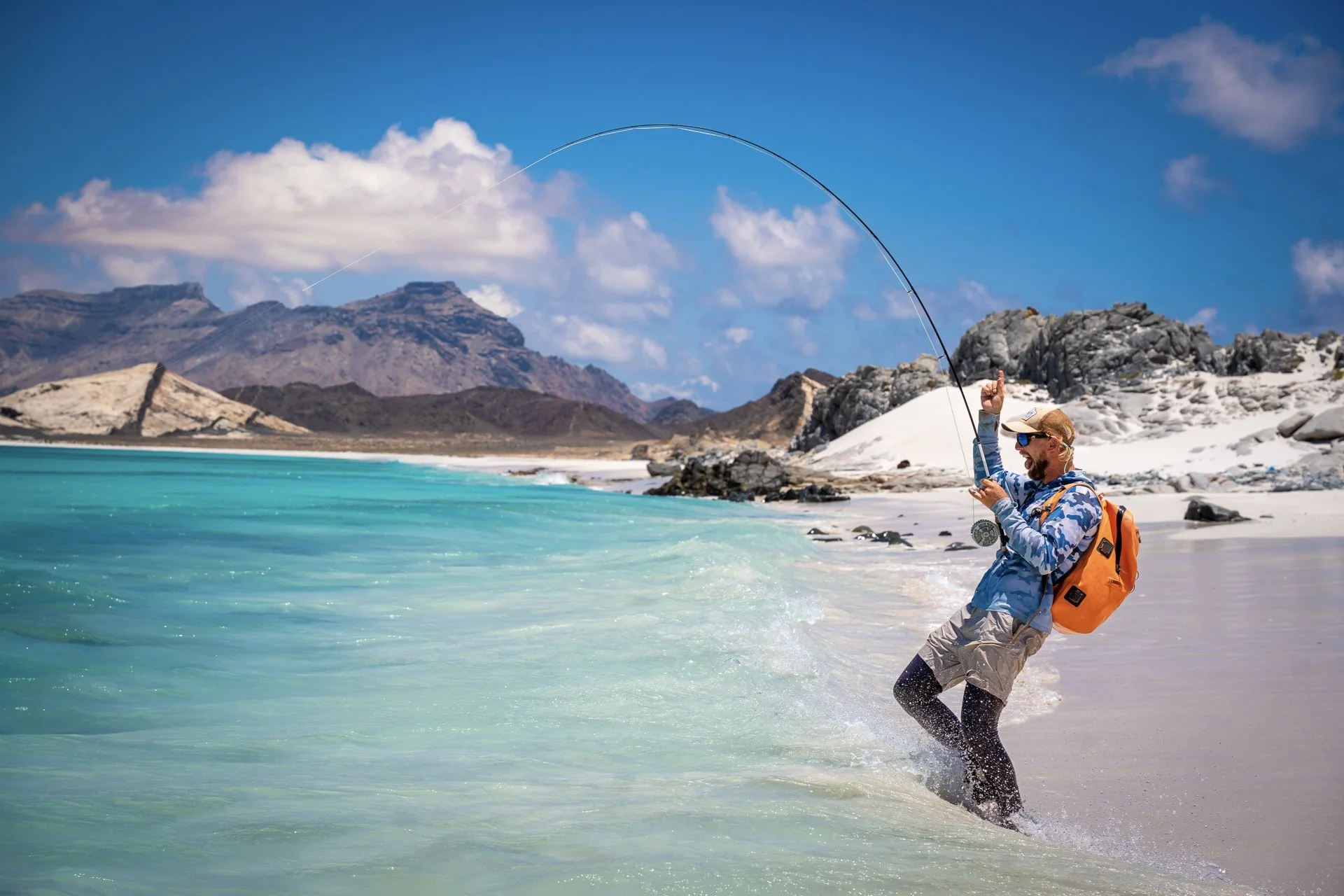
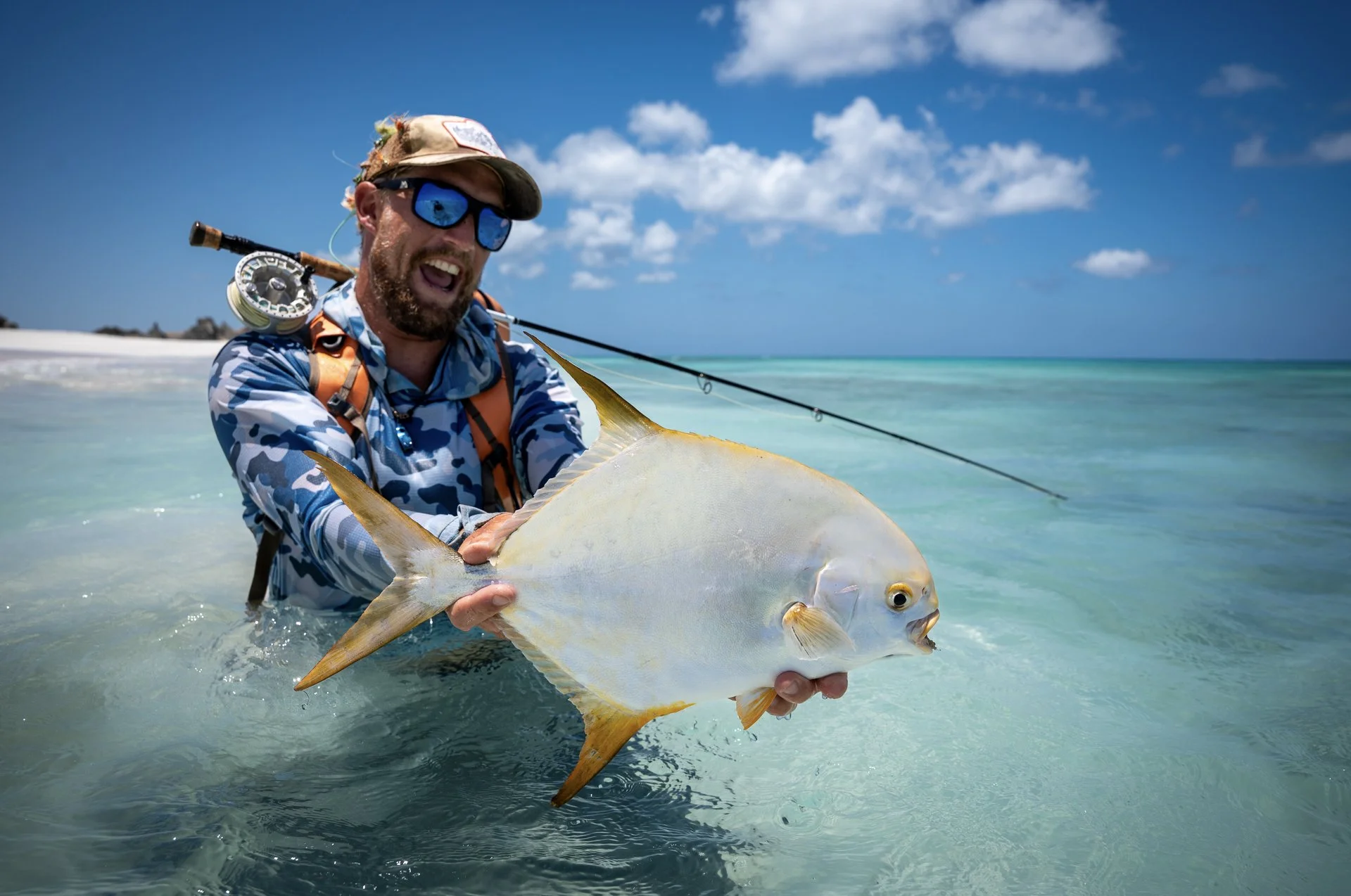
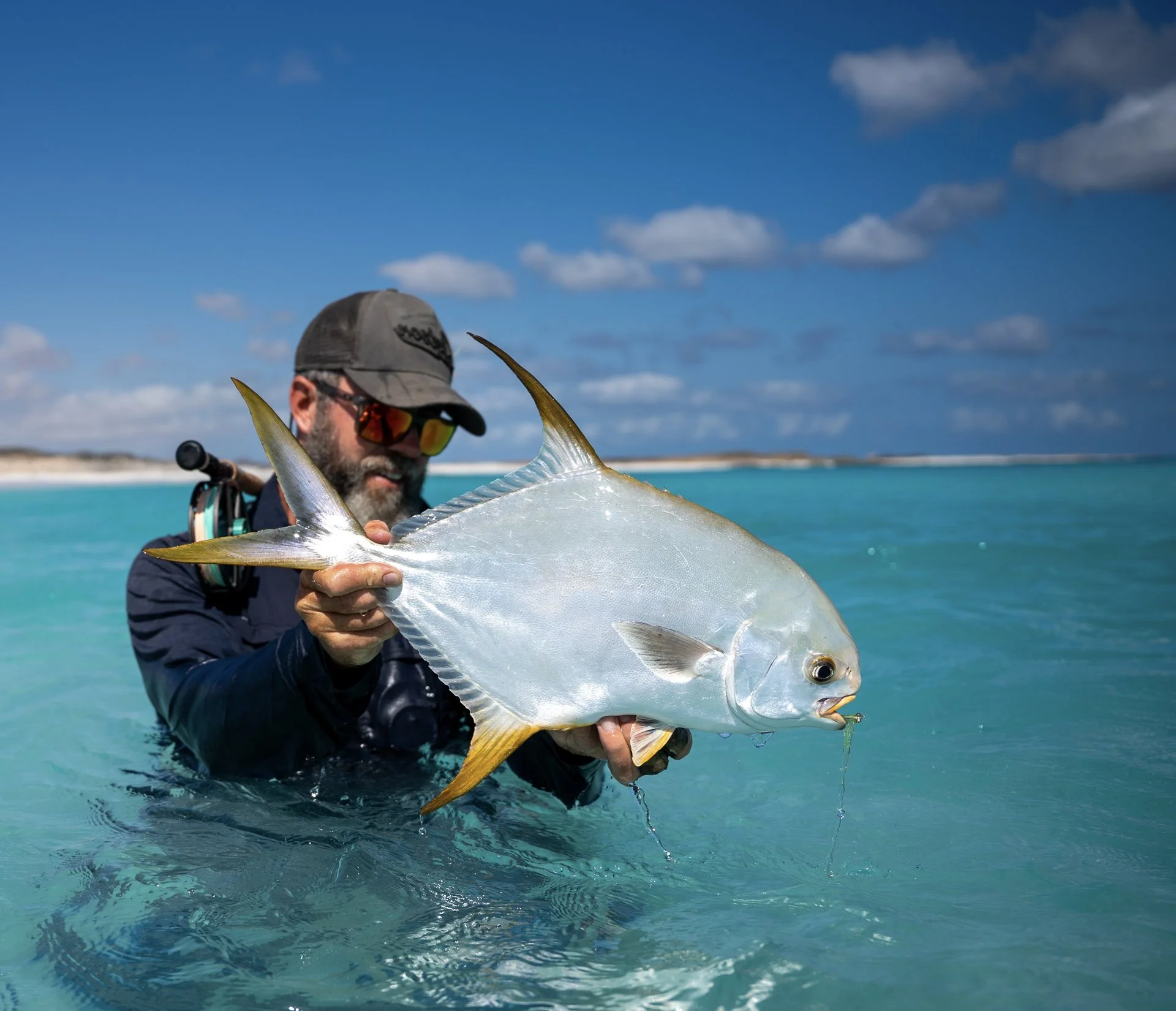
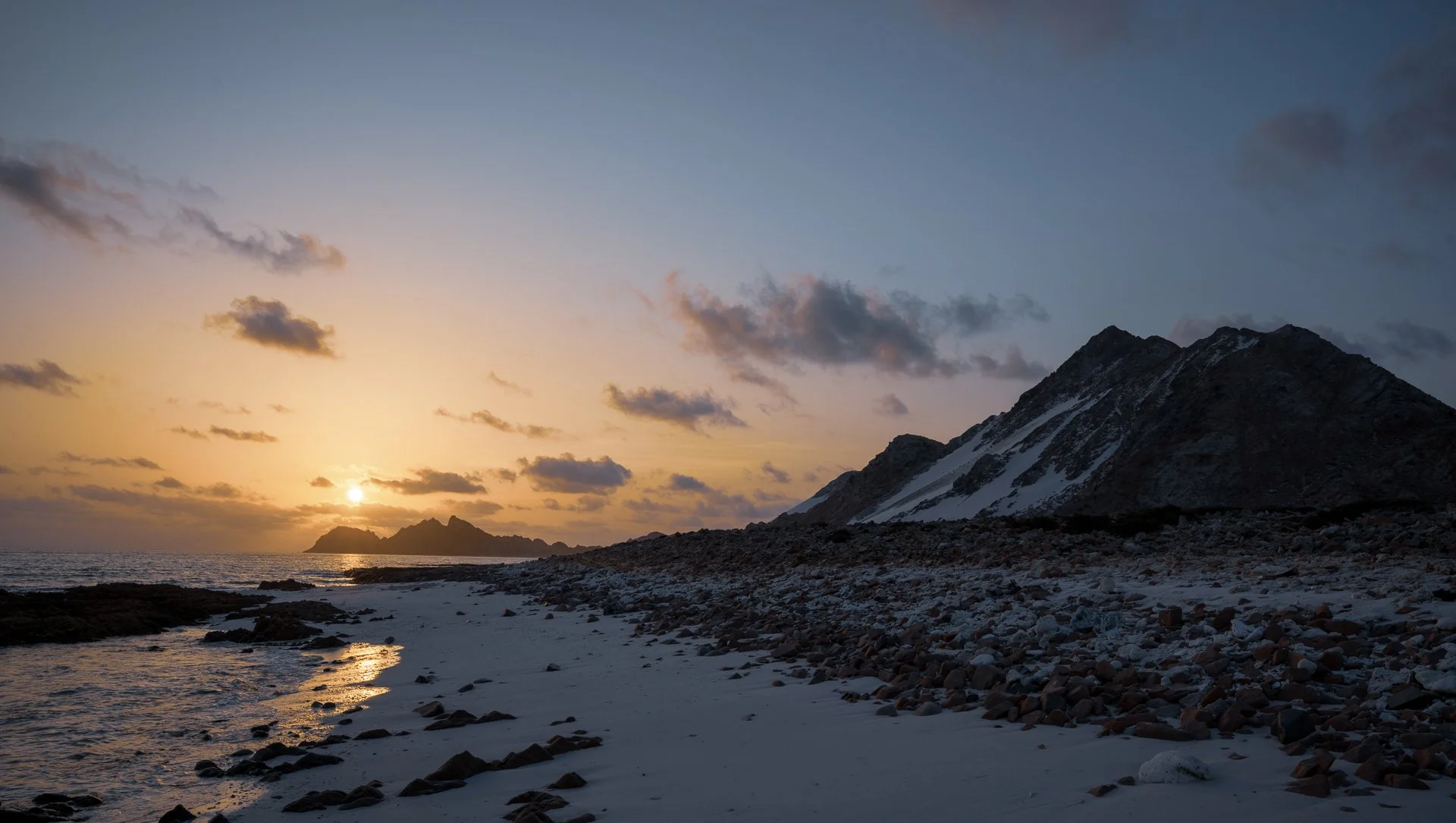
When it came to the Parrotfish, since we had already caught dozens in the past, we did not dedicate much time to targeting them specifically. However, we still had several opportunities to find them tailing on white sand flats and chase them with alternative flies such as Gotchas and Clousers, which worked particularly well on certain days. Once again, it proved that presentation beats pattern.
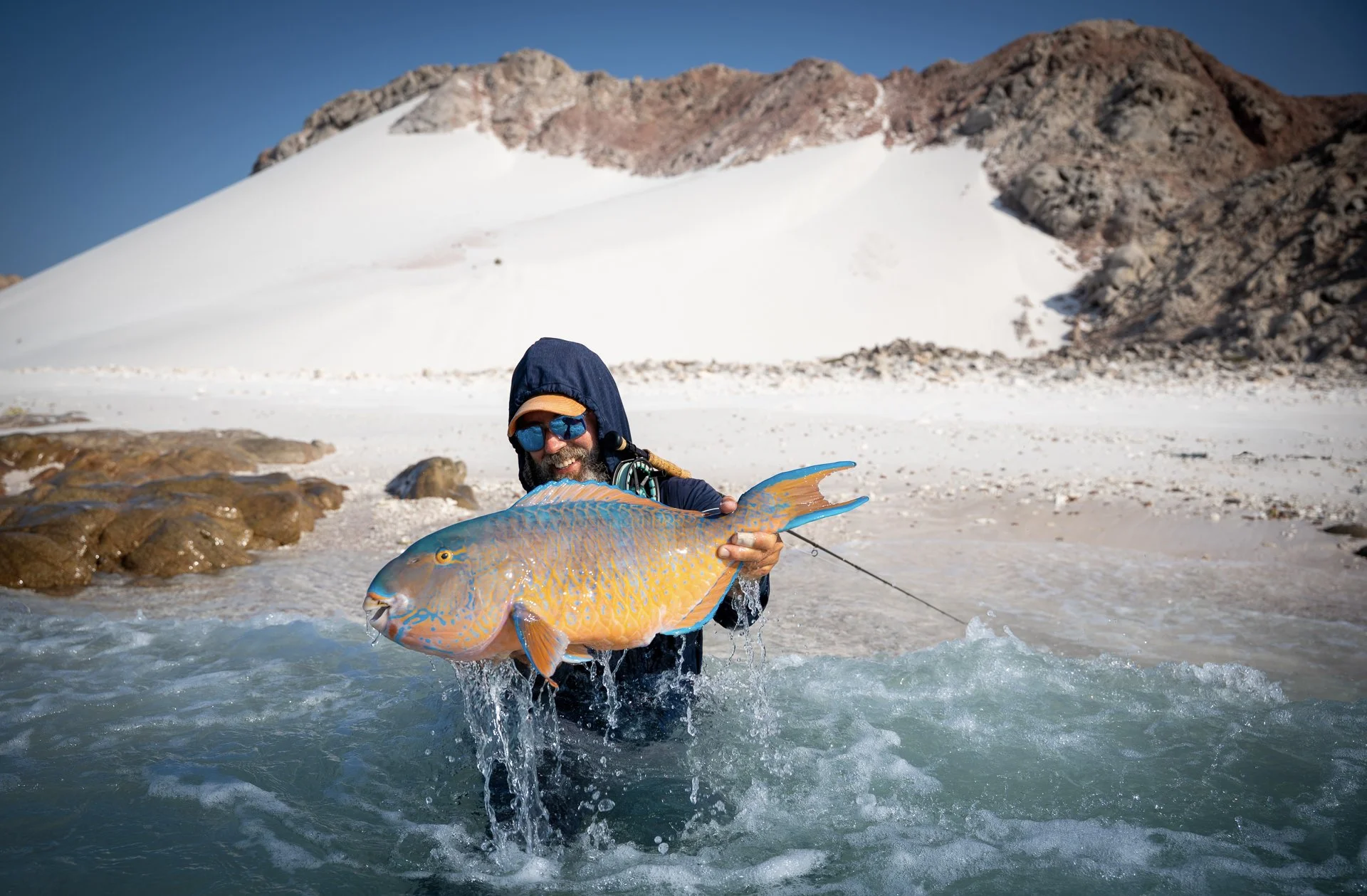
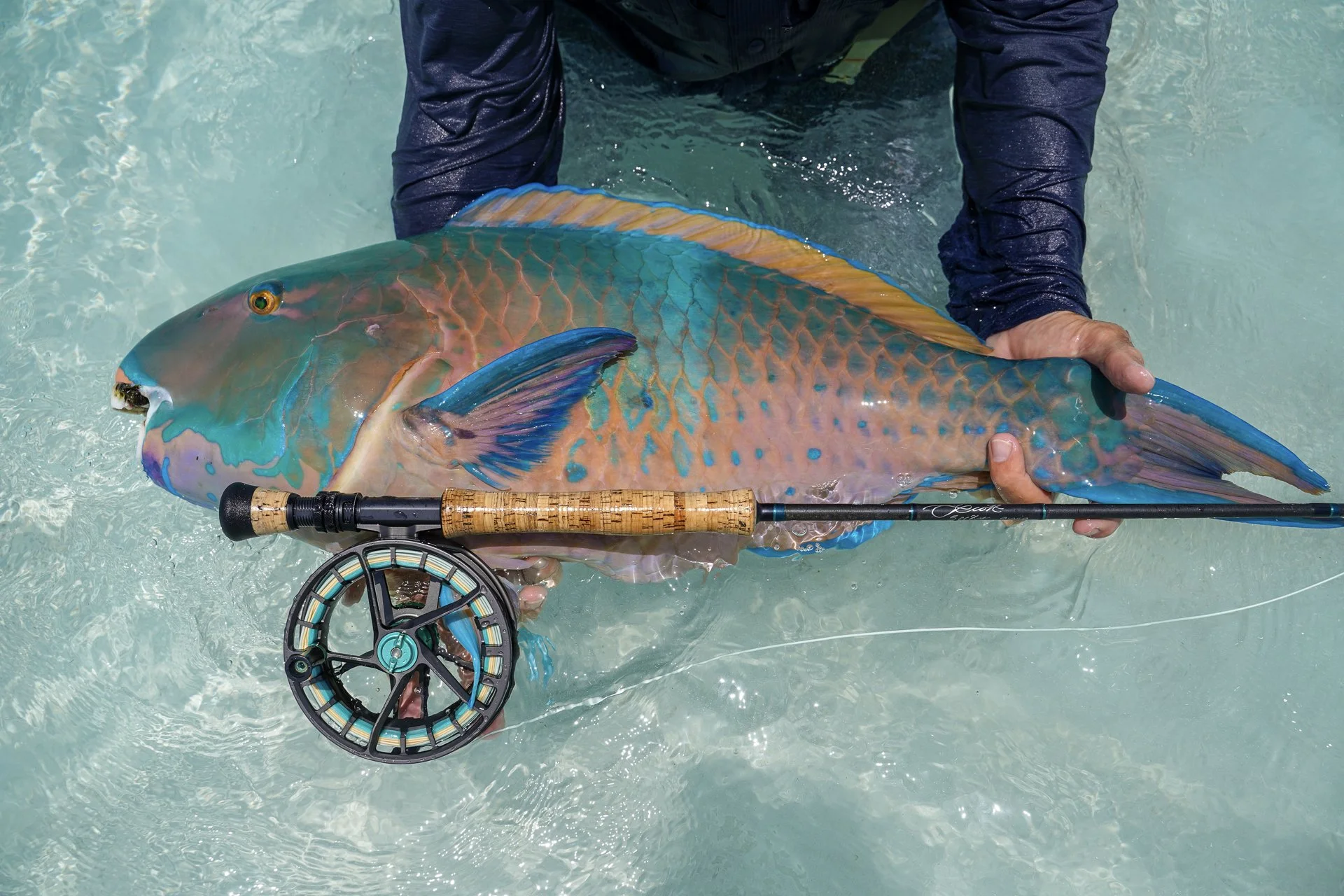
Another chapter of our research involved fishing from the rocks for larger fish. Since the offshore conditions were often too rough and windy to properly cast a 12 wt, this style of fishing produced incredible quality instead. We landed Bluefin Trevally over 80 cm, Red Snapper in the 8–10 kg range, and several Black Jacks, while also losing a couple of very big GTs.
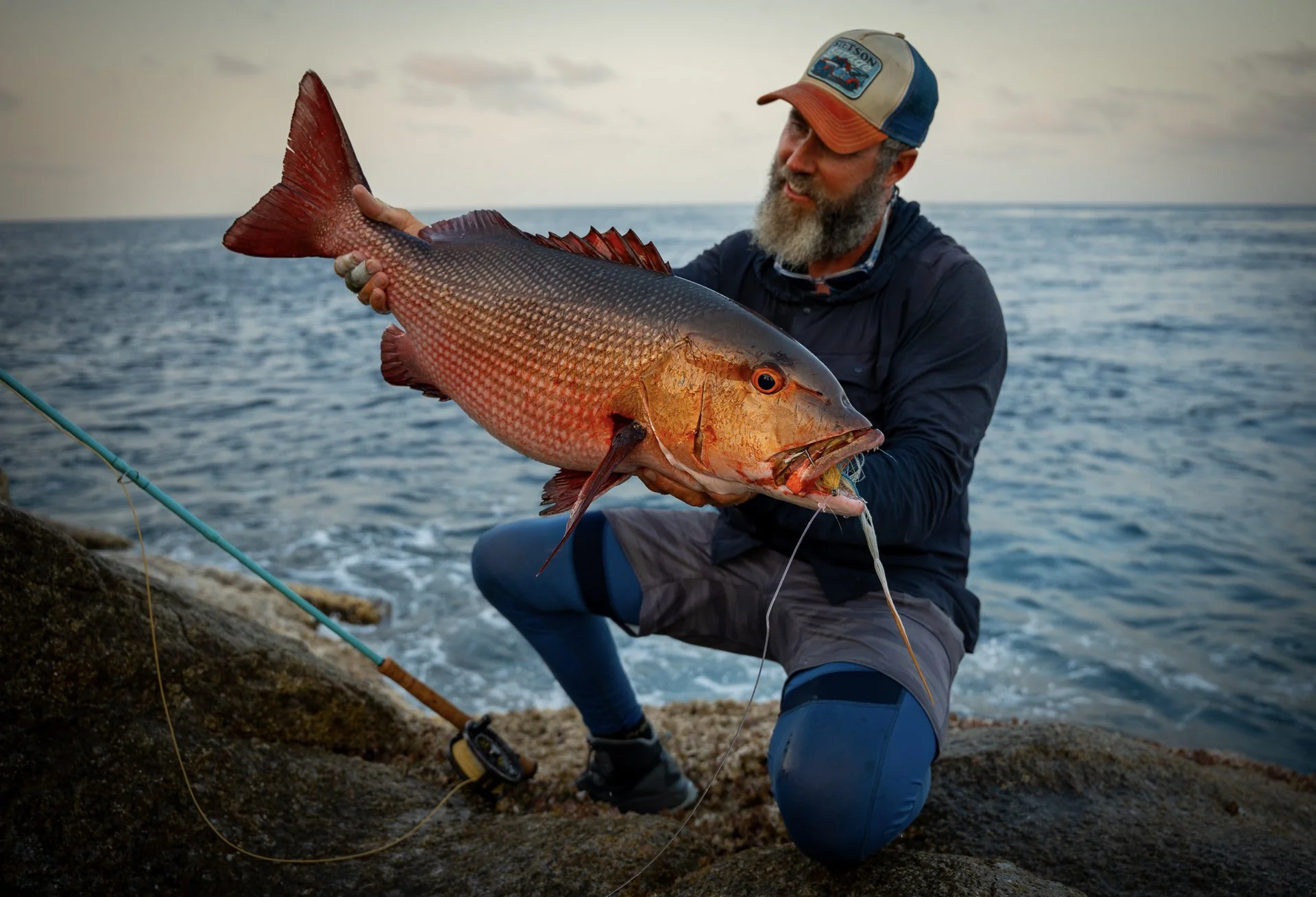
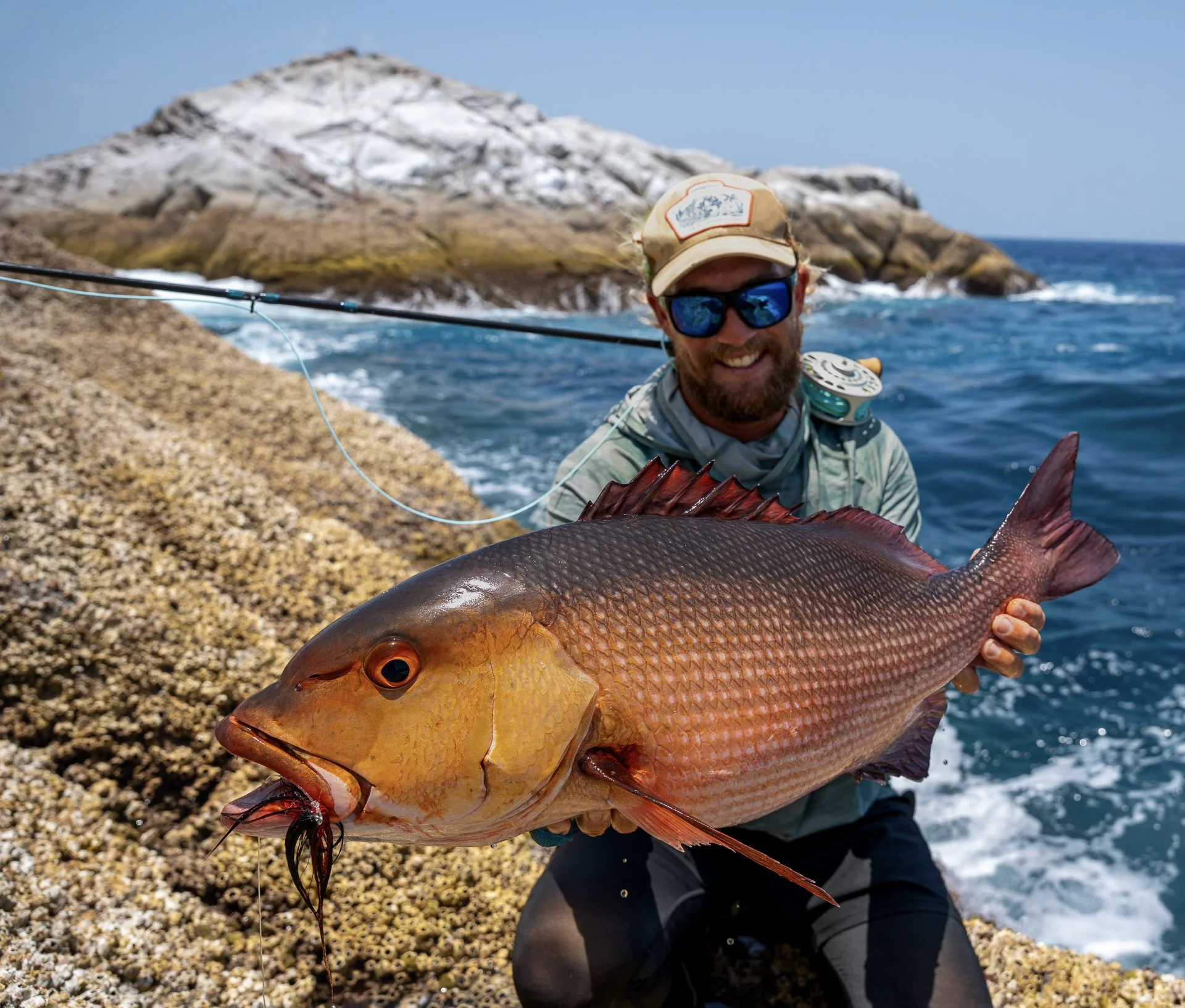
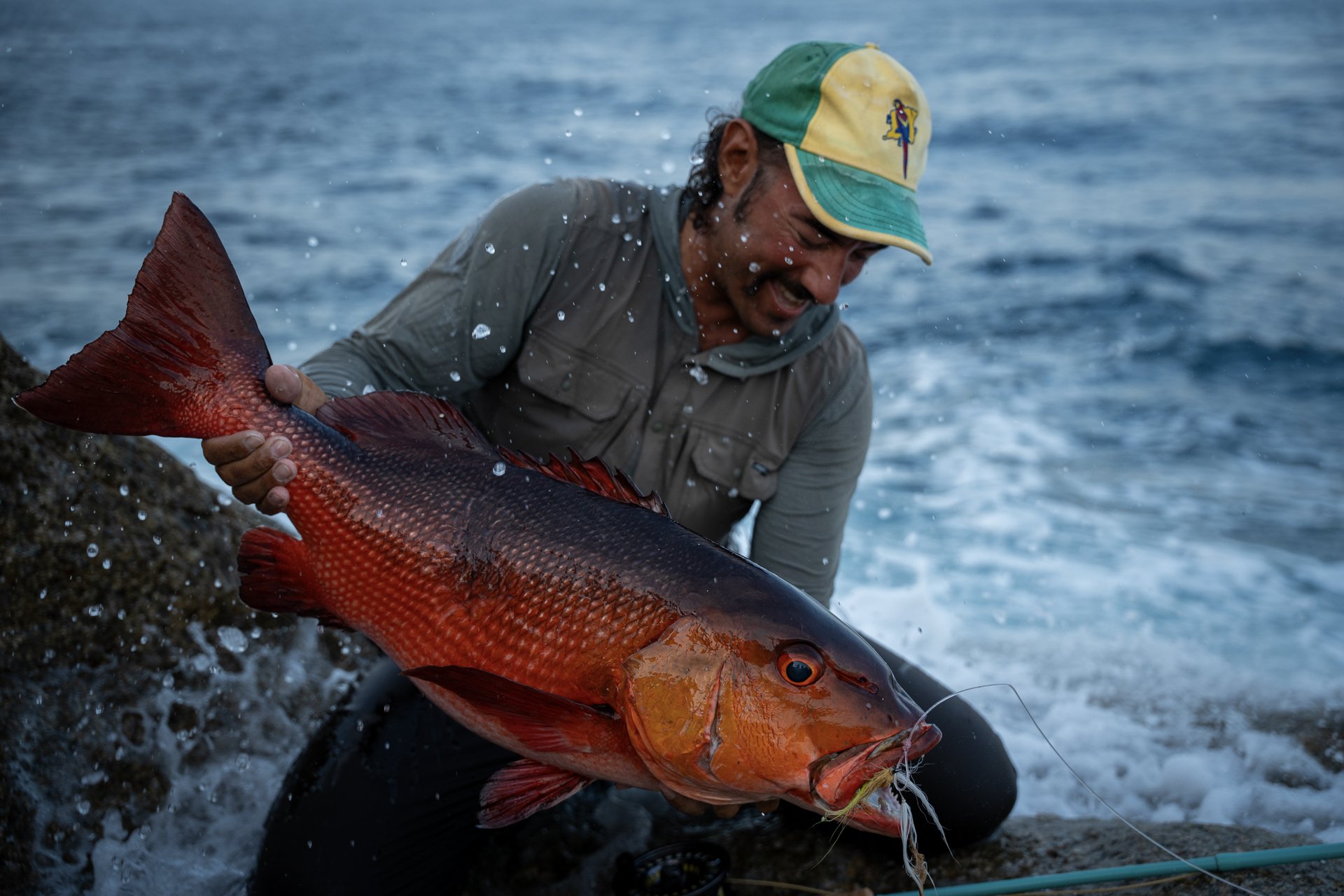
One particularly memorable story came from our guide James, who went on a coastal trek during his day off with a fly rod. He discovered several small bays and coves full of baitfish. First, he hooked a Red Snapper that was immediately eaten by a 50+ kg GT, which then spooled him completely. After that, he landed and lost several large Red Snappers before finally sight-fishing and landing a 30+ kg GT from the rocks on fly. It was another reminder that we still have a huge amount of exploratory work ahead of us.
The next slot will be in October, which is the absolute prime time for big Mackerel, Milkfish, and, of course, GTs. Hopefully, the weather will be calm, allowing us to fully focus on offshore fishing and land several truly big GTs on fly.
Who’s in to join?
Text - Nicola Vitali
Photos - Johan PerssonFriberg