
Samha Premium Trip: A Week of Fishing Variety, Sailfish and Giant Trevally
An expedition to one of Socotra’s most unique fisheries
Every expedition to the outer islands begins with a journey, and this one was no different. As soon as our guests landed on Socotra, we met them at the airport for quick introductions before loading the bus and heading straight to Qalansiyah. There was little time to waste. Our trusty Sambuk was waiting for us there, ready to take us across the water to Samha Island, where a week of fishing in one of the most remote corners of the Socotra archipelago awaited.
After the usual “authentic” Sambuk ride, we finally arrived at camp in the middle of the night. With everyone tired from the journey, we quickly set up a few stretchers and mattresses on the beach. There was no need for a complicated setup or a long welcome briefing. The guys needed some rest, and the Socotran stars provided the perfect ceiling for our first night on the island.
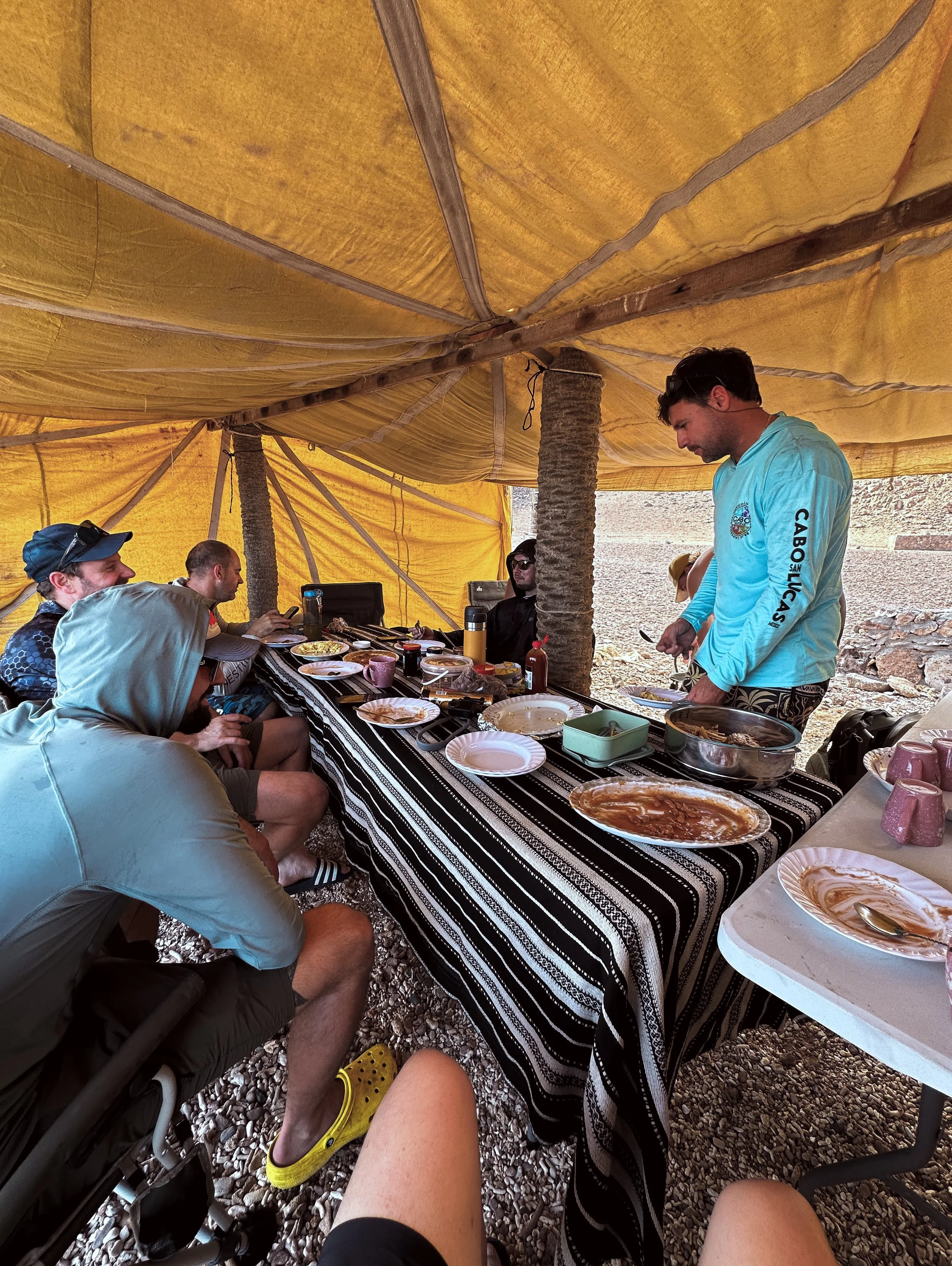
It was a short night, but that is simply how these expeditions work. When you travel to places like Samha, the journey is part of the experience, and comfort sometimes takes a back seat to getting where you need to be.
By morning, the camp was coming to life. While the crew prepared breakfast and fresh coffee, the guests started sorting through their tackle, rigging rods and checking their equipment with some help from our guides. Lures were tied on, leaders checked and reels prepared for the first casts. With breakfast finished and coffee doing its job, we were ready to find out what the island had in store for us.
A Slow Start, but Plenty of Action
For our first fishing session. Expectations were high, as they usually are at the beginning of an expedition. You arrive in a new fishing area, look at the water, study the currents, and start imagining what might be waiting beneath the surface. Every promising reef and every patch of bait brings the possibility of a big GT smashing a lure.
The giant trevally, however, had other plans.
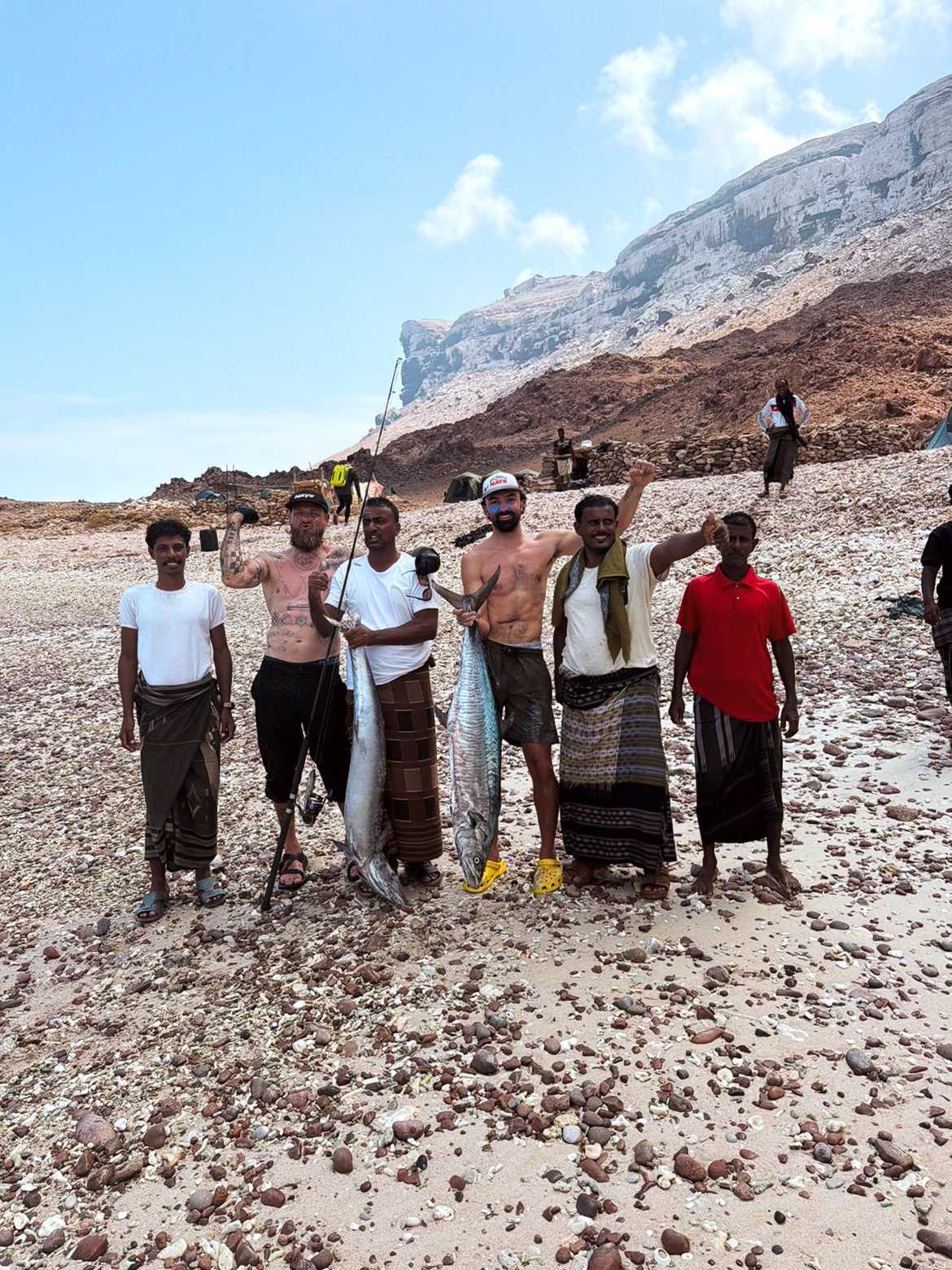
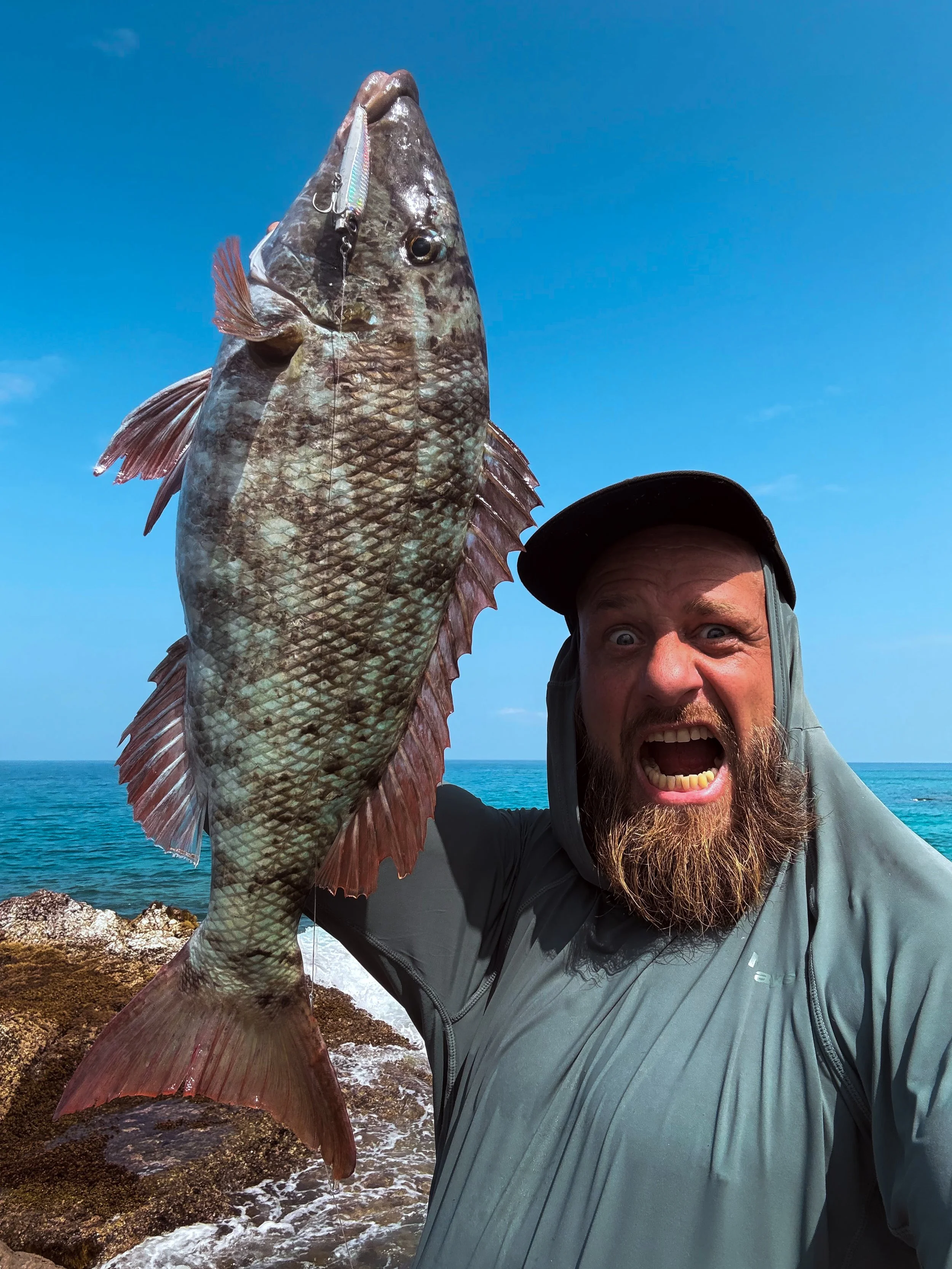
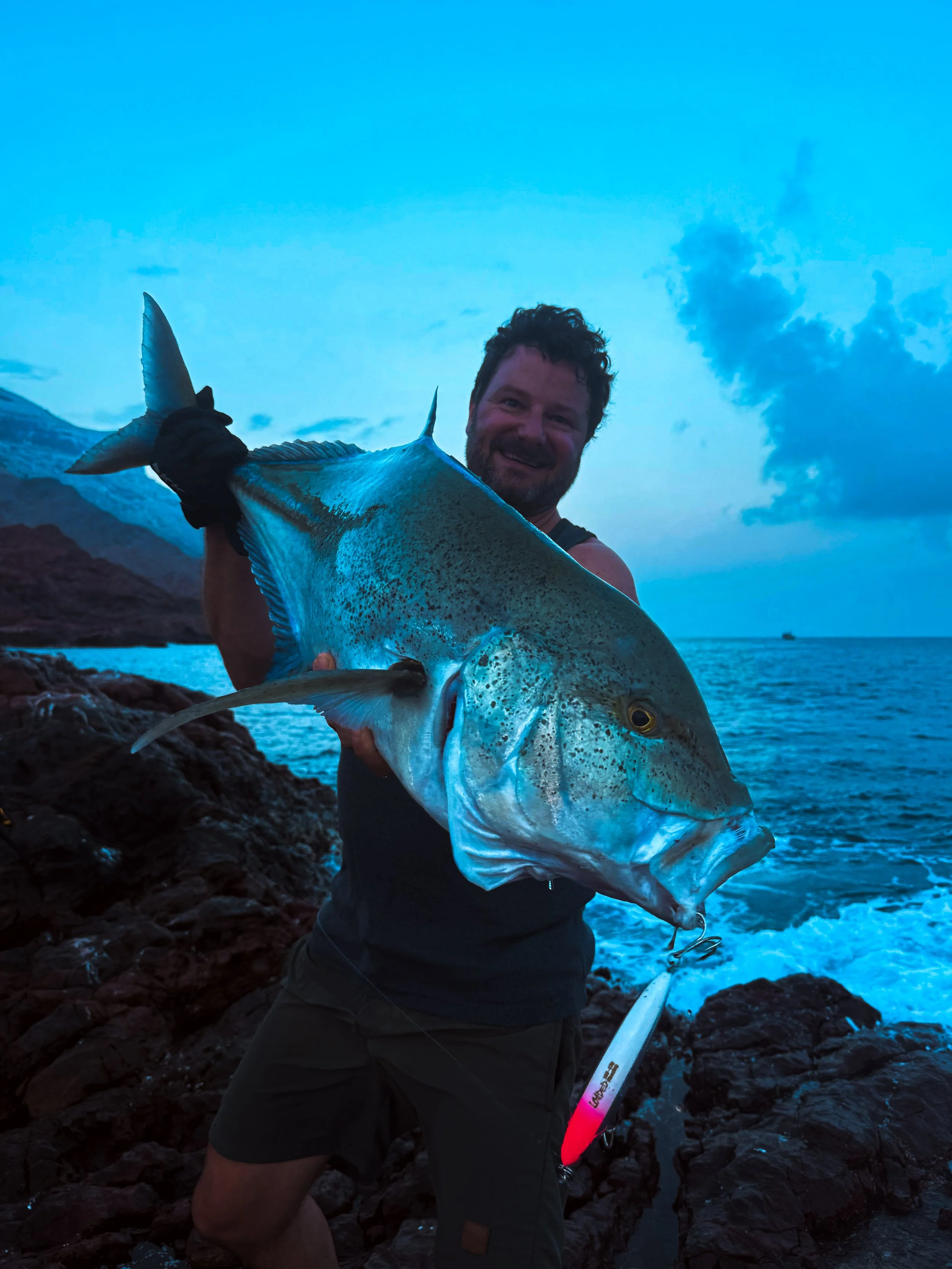
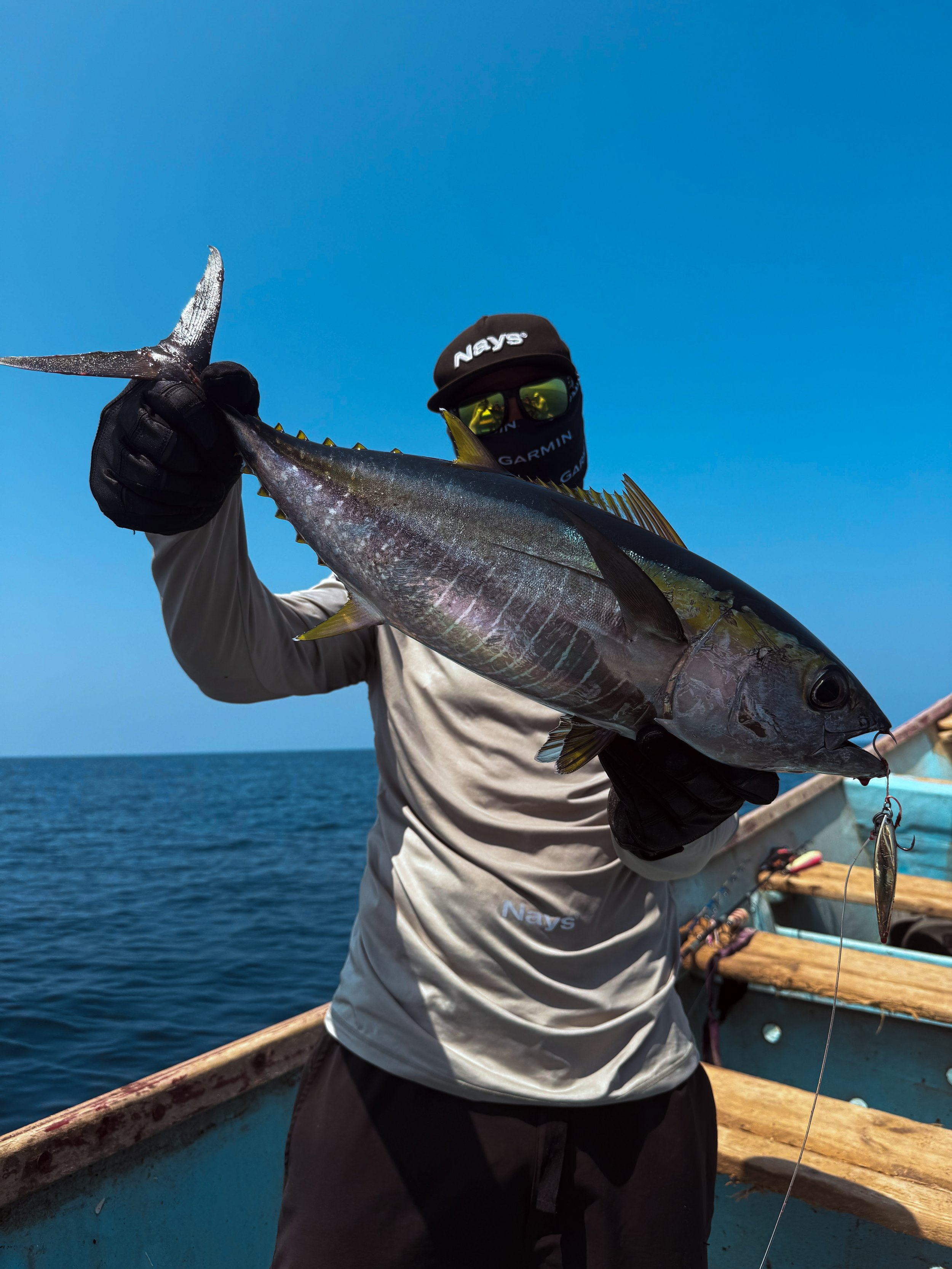
The GT action was slower than we had hoped, and finding consistently active fish quickly became the main challenge. Fortunately, the other inhabitants of these waters were considerably more cooperative. Bluefin trevally, black jack, and grouper were much more willing to attack our lures, giving the guys plenty of action and keeping the fishing sessions interesting.
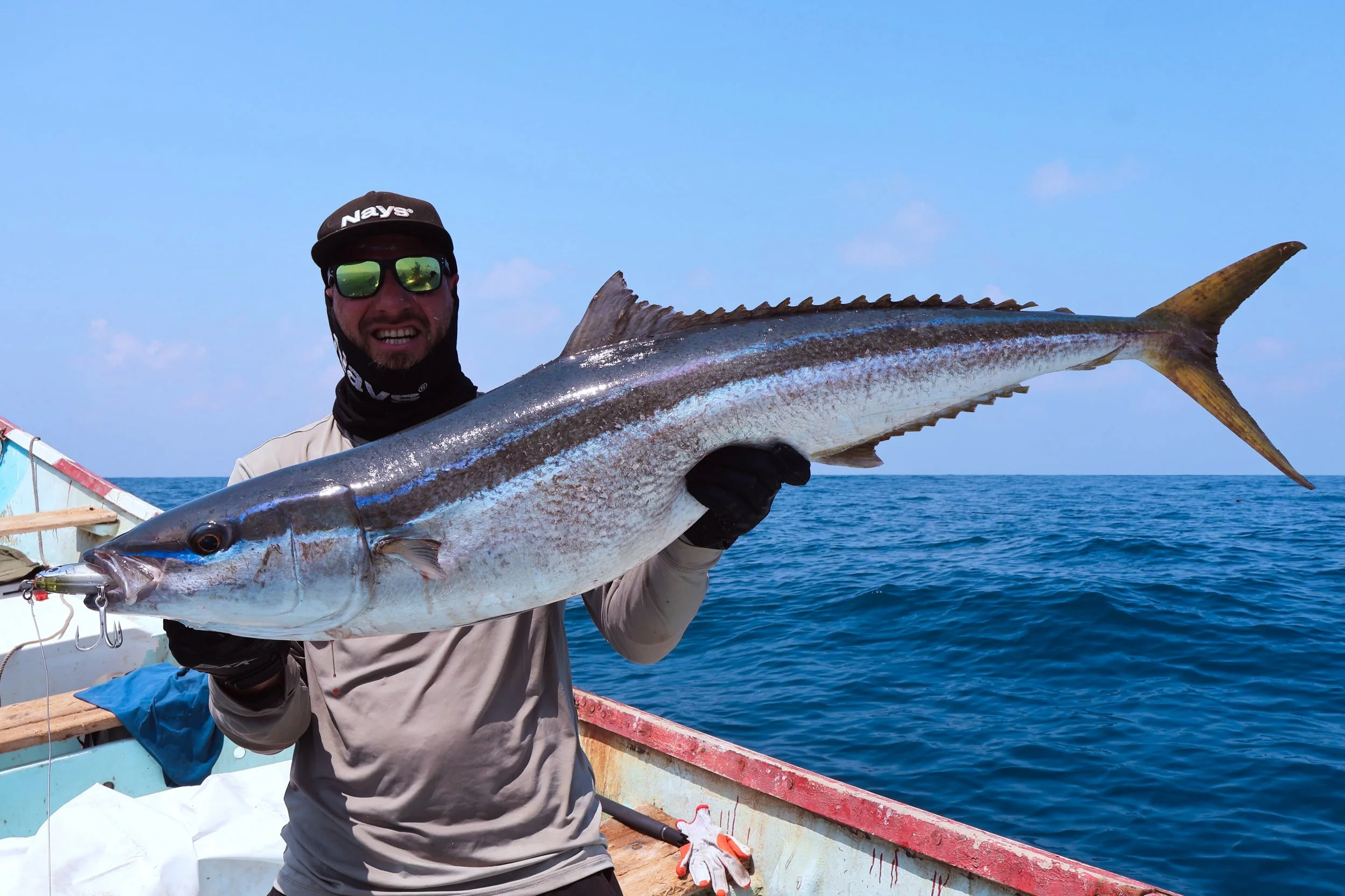
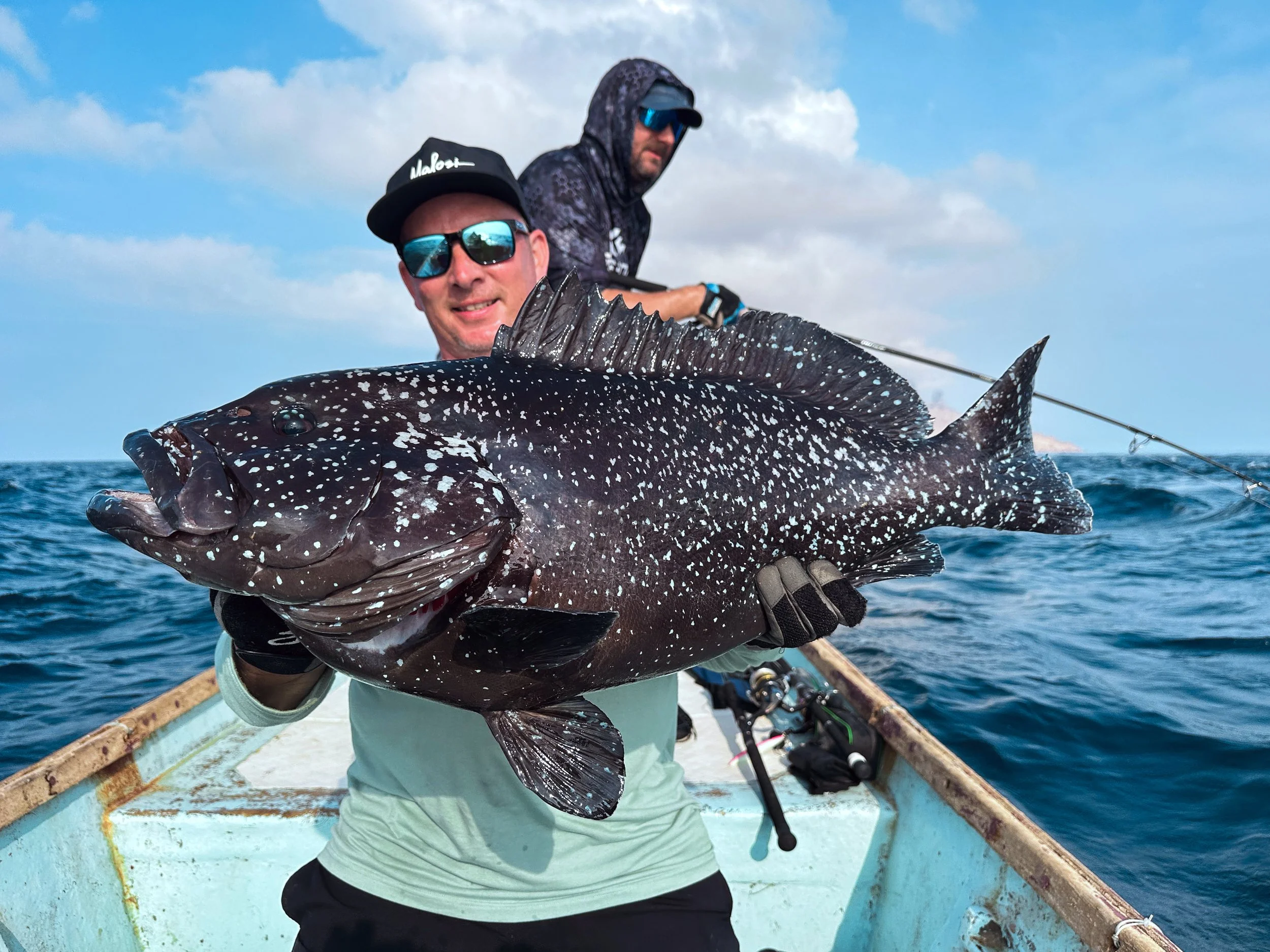
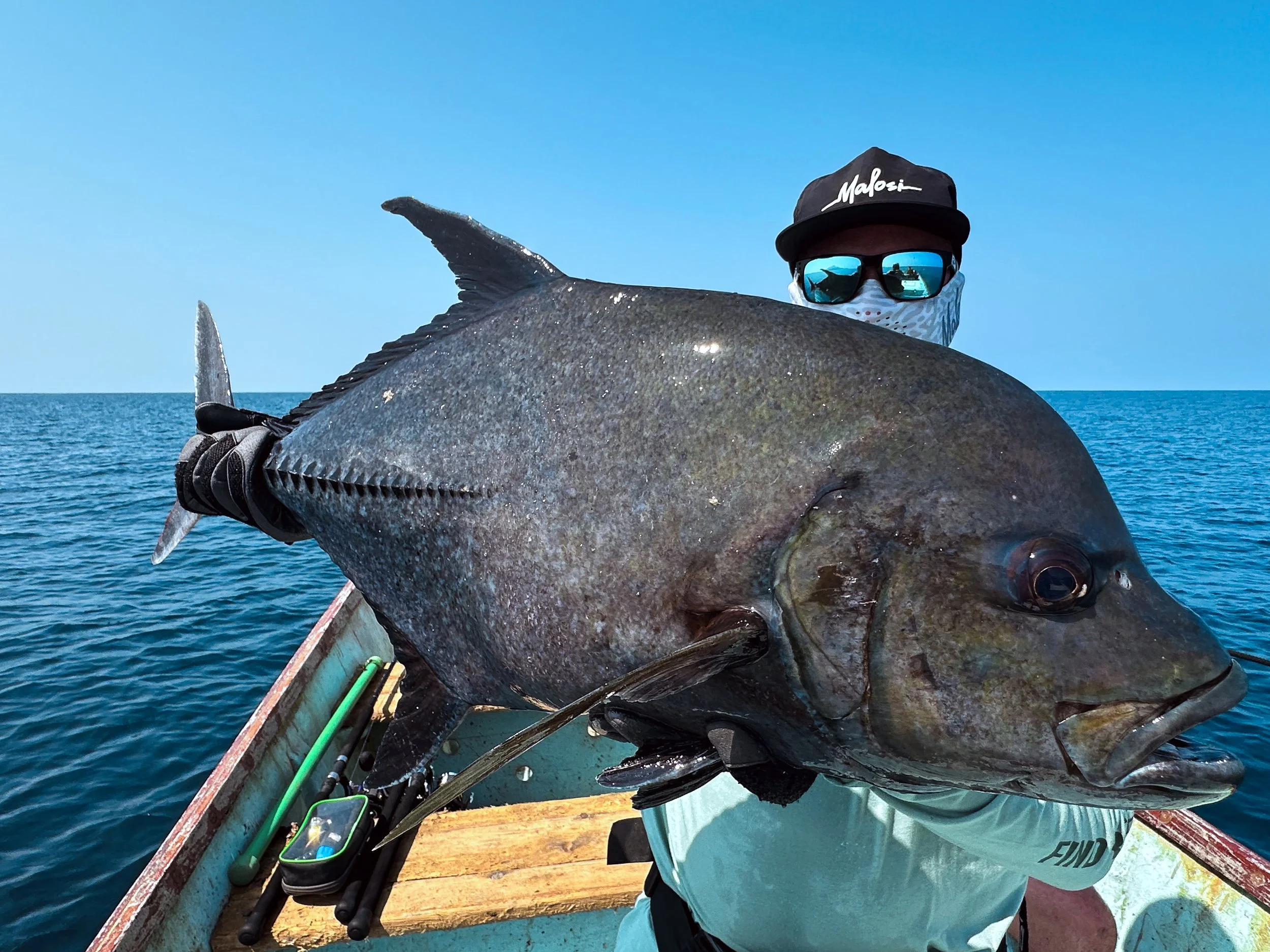
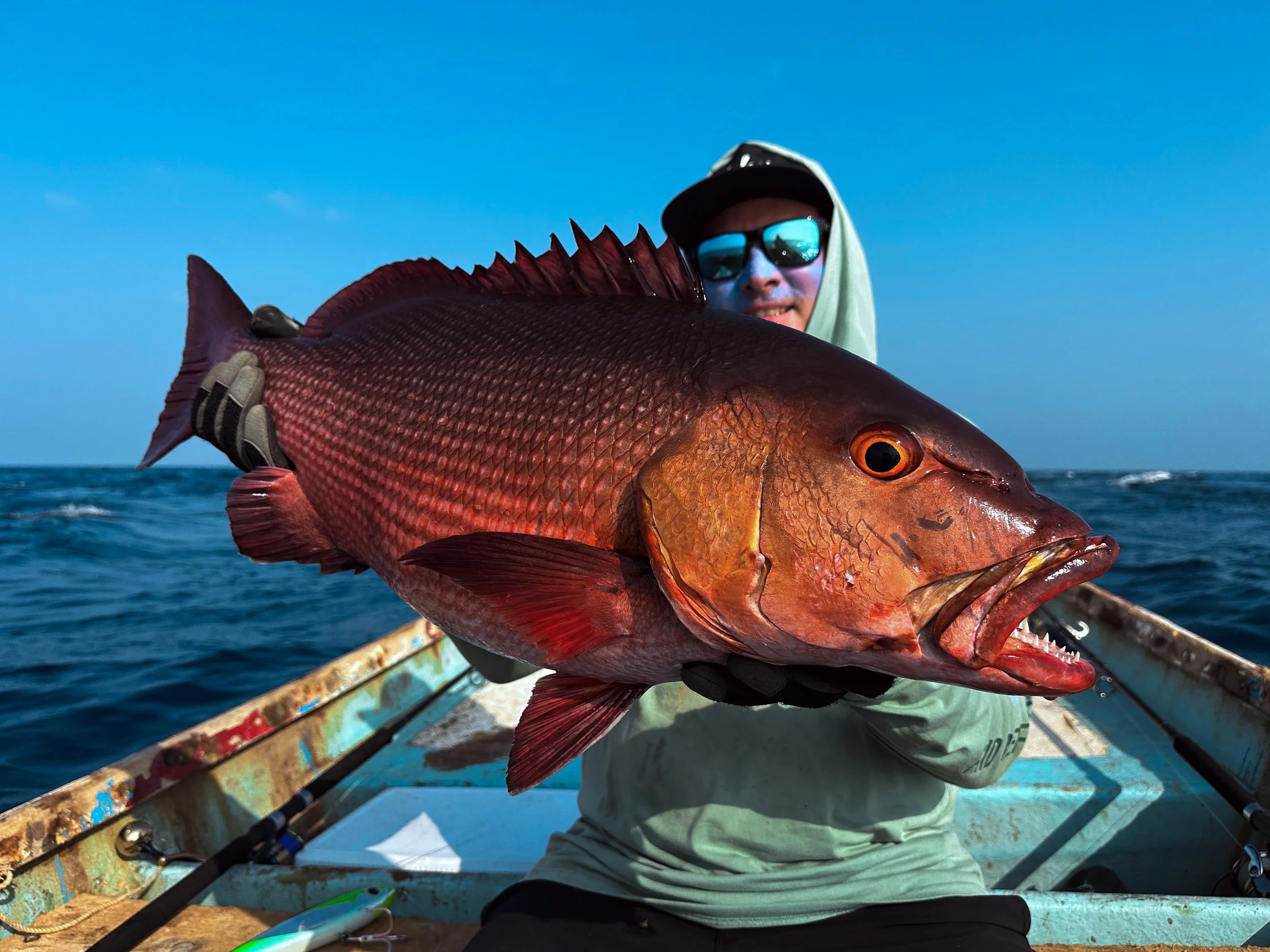
Although the number of GT bites was limited, the opportunities we did get were solid. We managed to land a few good fish on the first day, providing an encouraging start and a reminder that even when the action is slow, a single bite can make all the difference.
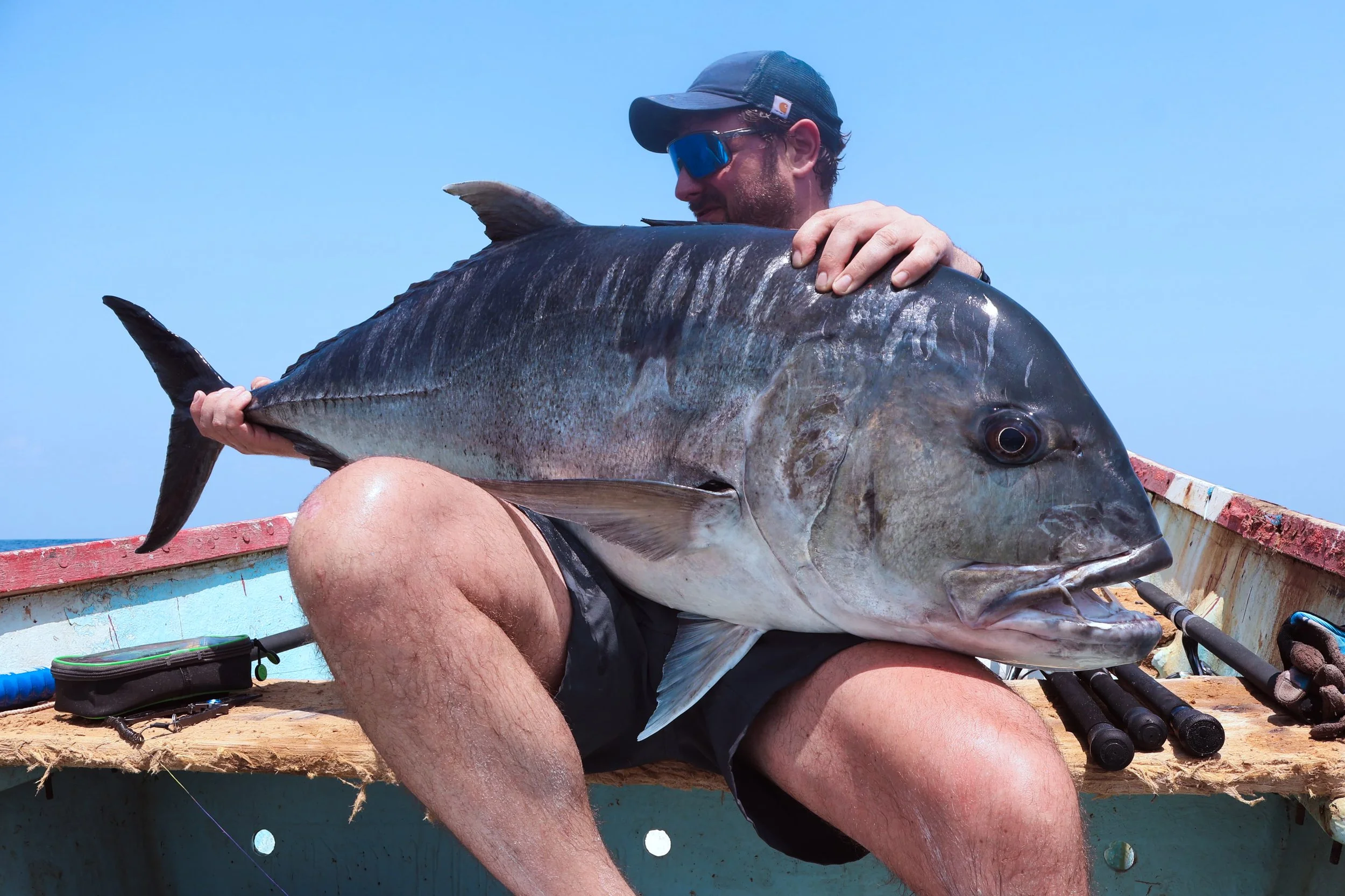
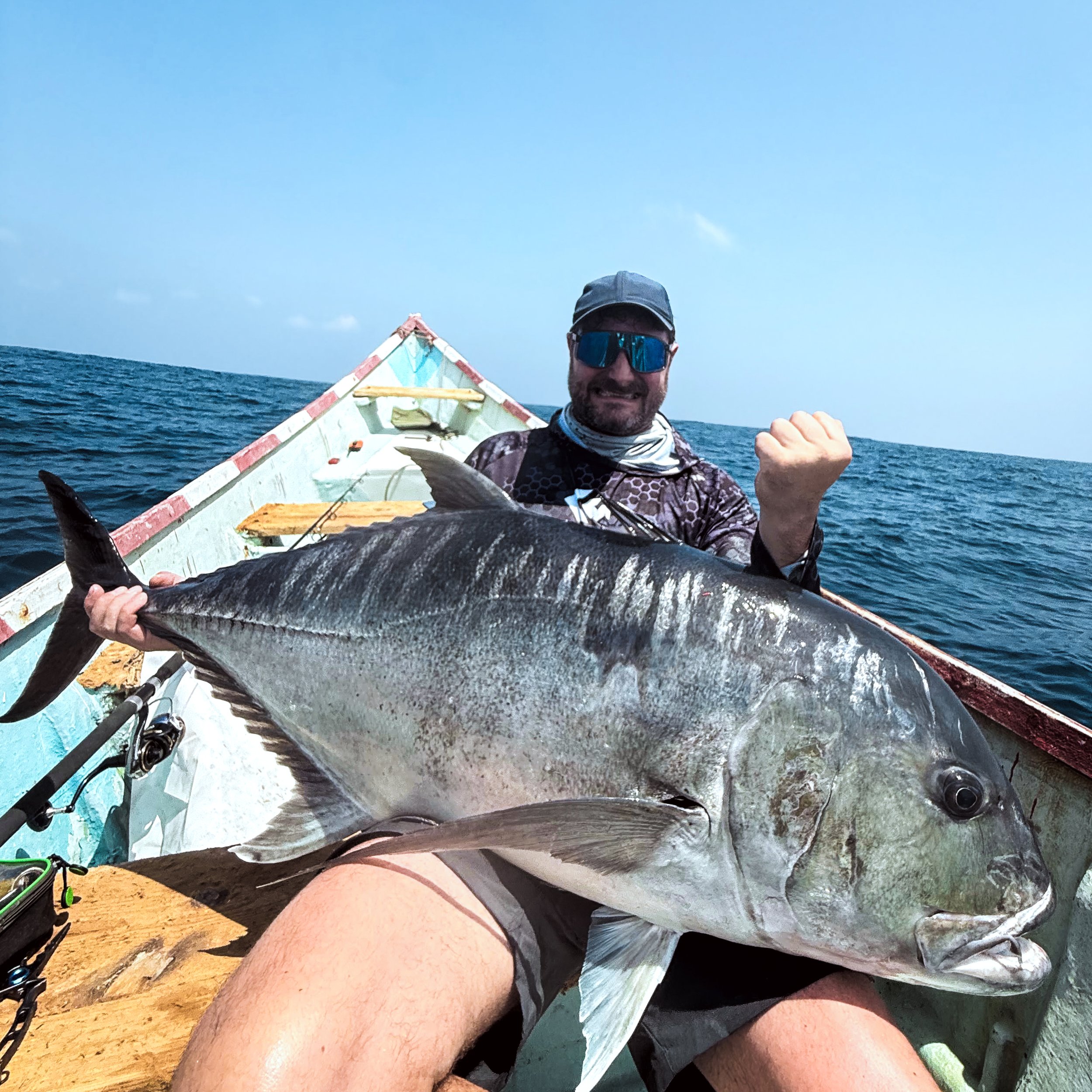
The rest of the week followed a similar pattern. We continued exploring different areas, adjusting our approach and working hard for every GT opportunity. Some sessions produced action from other species, while others demanded plenty of patience and persistence. There were no guarantees, and we had to earn every decent fish.
The Ever-Changing Nature of the Sea
This is one of the reasons we keep returning to Socotra, even after years of exploring its waters. Every season tells a different story, and previous experiences are never a guarantee of what will happen next.
Spots that were on fire during an earlier expedition can suddenly become quiet. Areas that previously produced very little can turn into the most productive locations of the entire trip. Currents, baitfish movements, water conditions, and seasonal patterns all influence where the fish are and how they behave.
For us, this is part of the attraction. Returning to a familiar location does not mean repeating the same fishing experience. It means trying to understand what has changed, reading the water again, and adapting to whatever conditions we find.
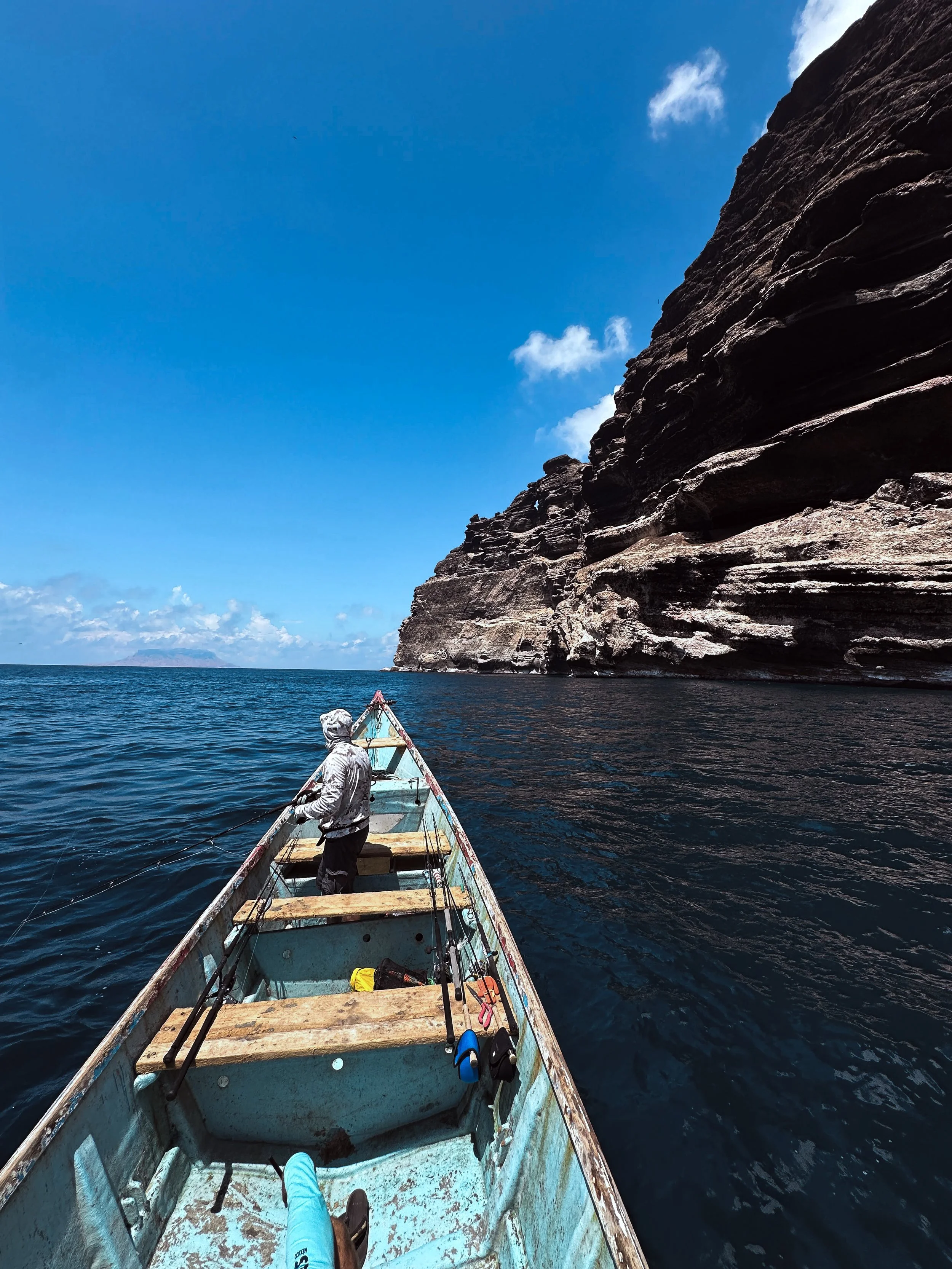
The sea does not always reveal its secrets, and sometimes the only thing we can do is keep moving, keep casting, and make the best of the conditions.
And that is exactly what we did.
Prehistoric Cliffs, Manta Rays and Endless Blue
Some places are defined by their fishing. Others are defined by their scenery. Samha manages to combine both, and Darsa is perhaps the best example of what makes this part of the archipelago so special.
Its enormous, prehistoric-looking cliffs rise dramatically from the ocean, creating a landscape that feels almost untouched by time. The rock walls tower above the water, while the deep blue ocean stretches out beneath them. It is a setting that makes even an ordinary fishing session feel extraordinary.
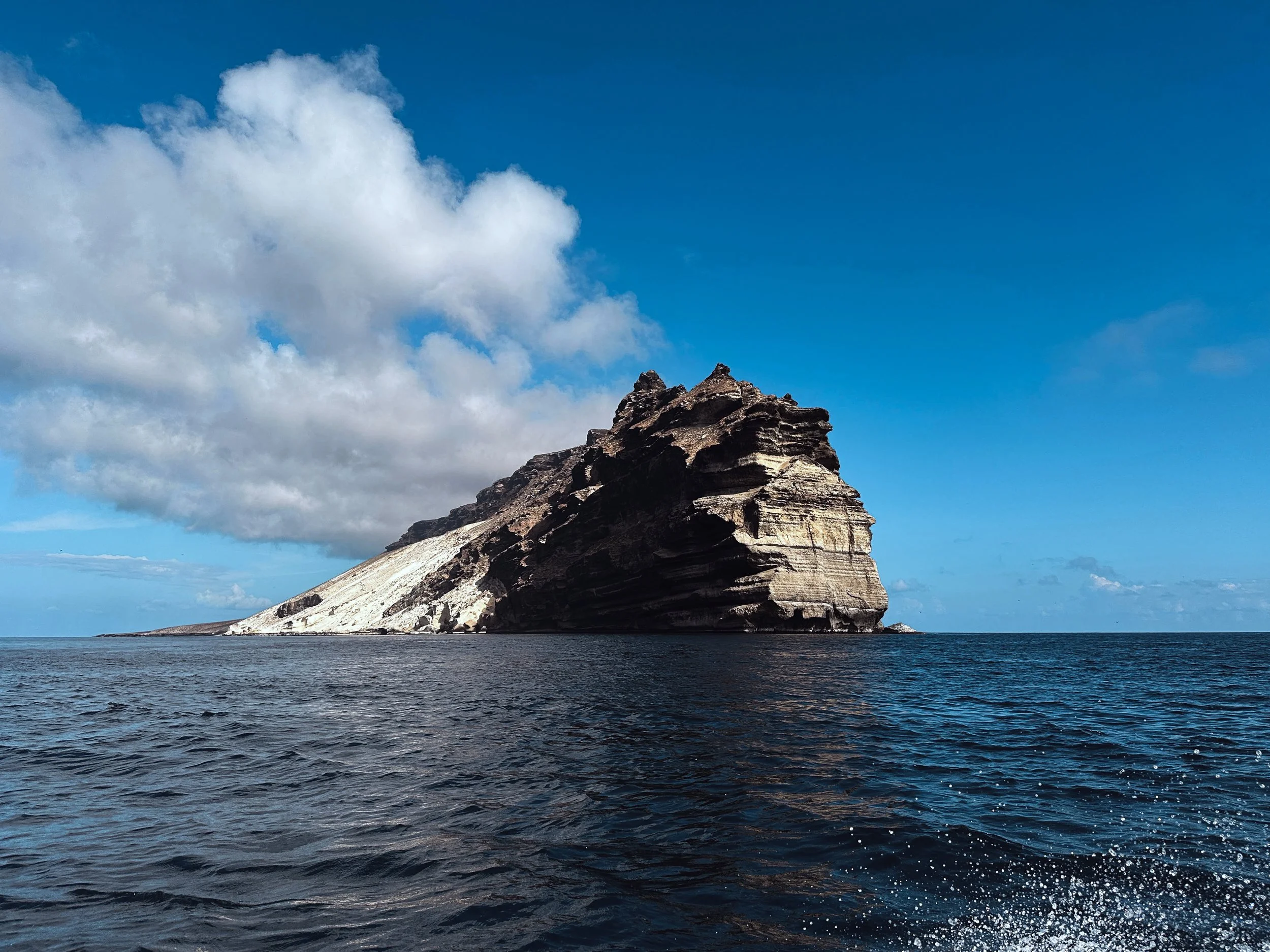
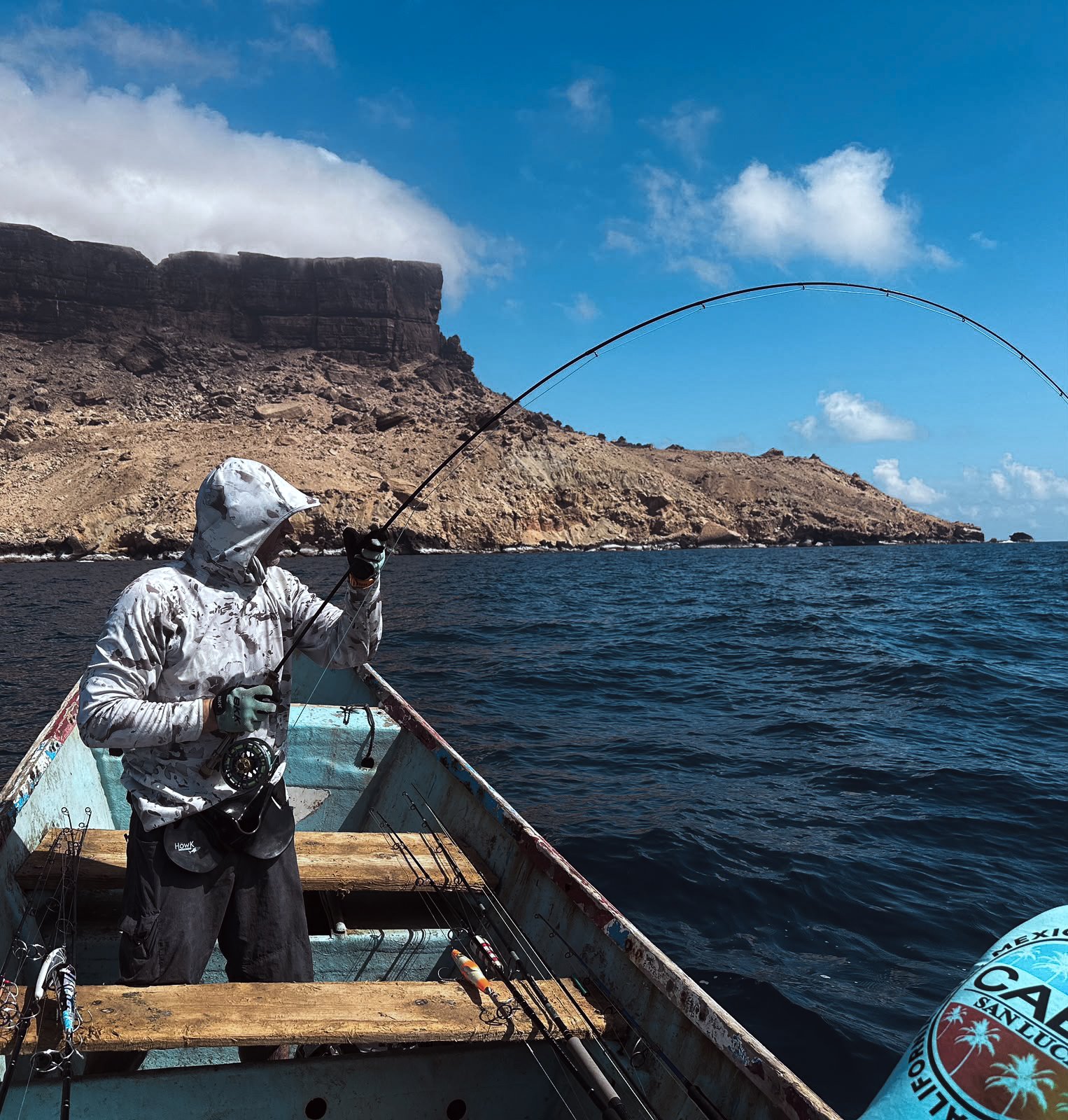
There are few fisheries where the surroundings can compete so directly with the fish themselves. At Darsa, it is almost impossible not to stop for a moment and appreciate where you are.
Imagine drifting along the base of these massive cliffs, watching manta rays circle through the water while schools of baitfish gather around the boat. The current pushes past the rocks, the surface changes colour with the depth, and every cast sends a lure into water that looks capable of holding just about anything.
There is something uniquely satisfying about fishing in such a wild environment. You are not simply visiting a beautiful place and taking photographs of it. You are actively exploring it, trying to understand its waters and searching for the fish that live among its reefs and drop-offs.
The guys also managed to catch four sailfish, adding another dimension to the expedition and reminding us of the incredible variety these waters can offer. Between the different reef species, the search for GTs and the sailfish encounters, there was always another possibility waiting around the next corner.
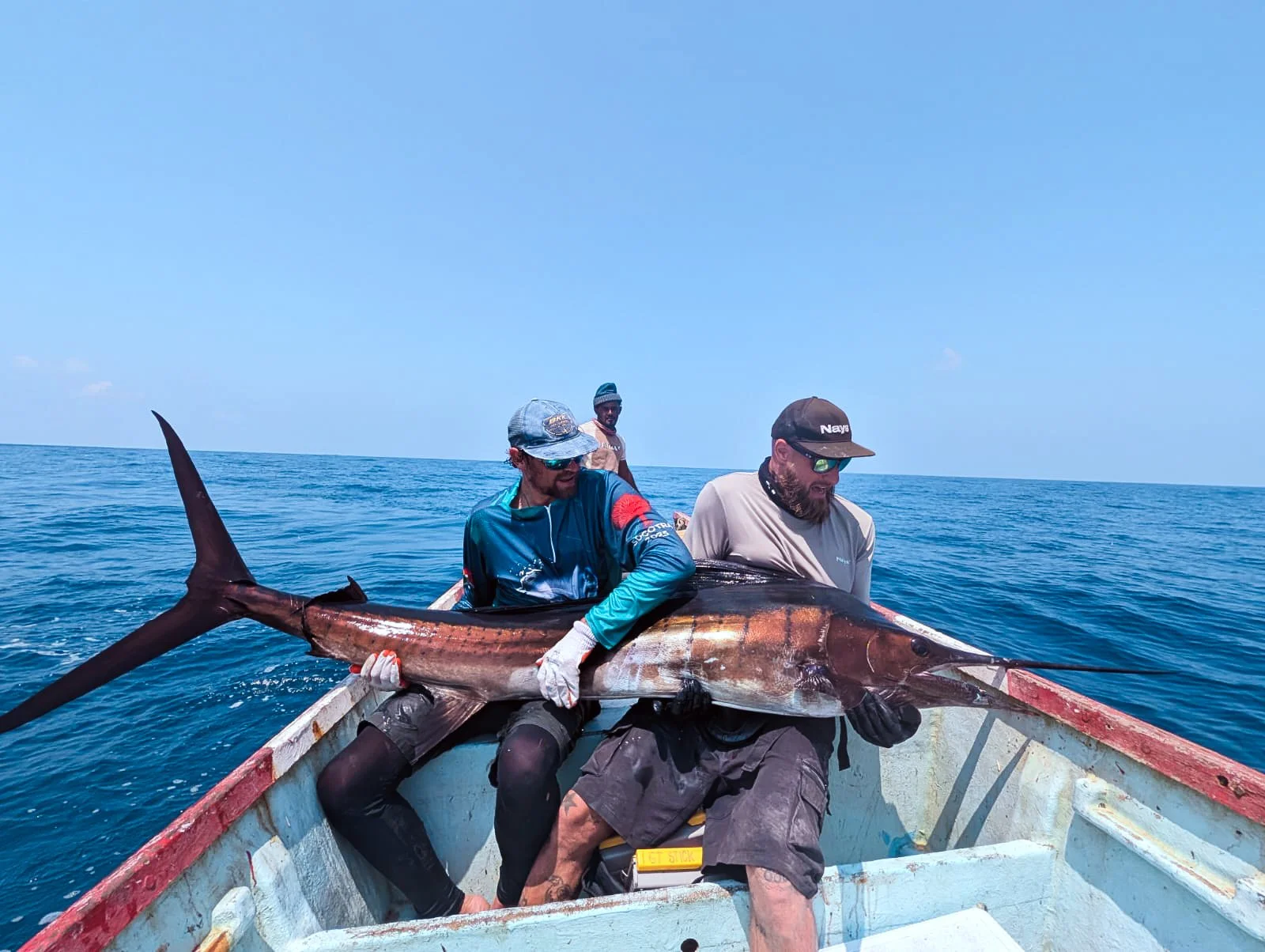
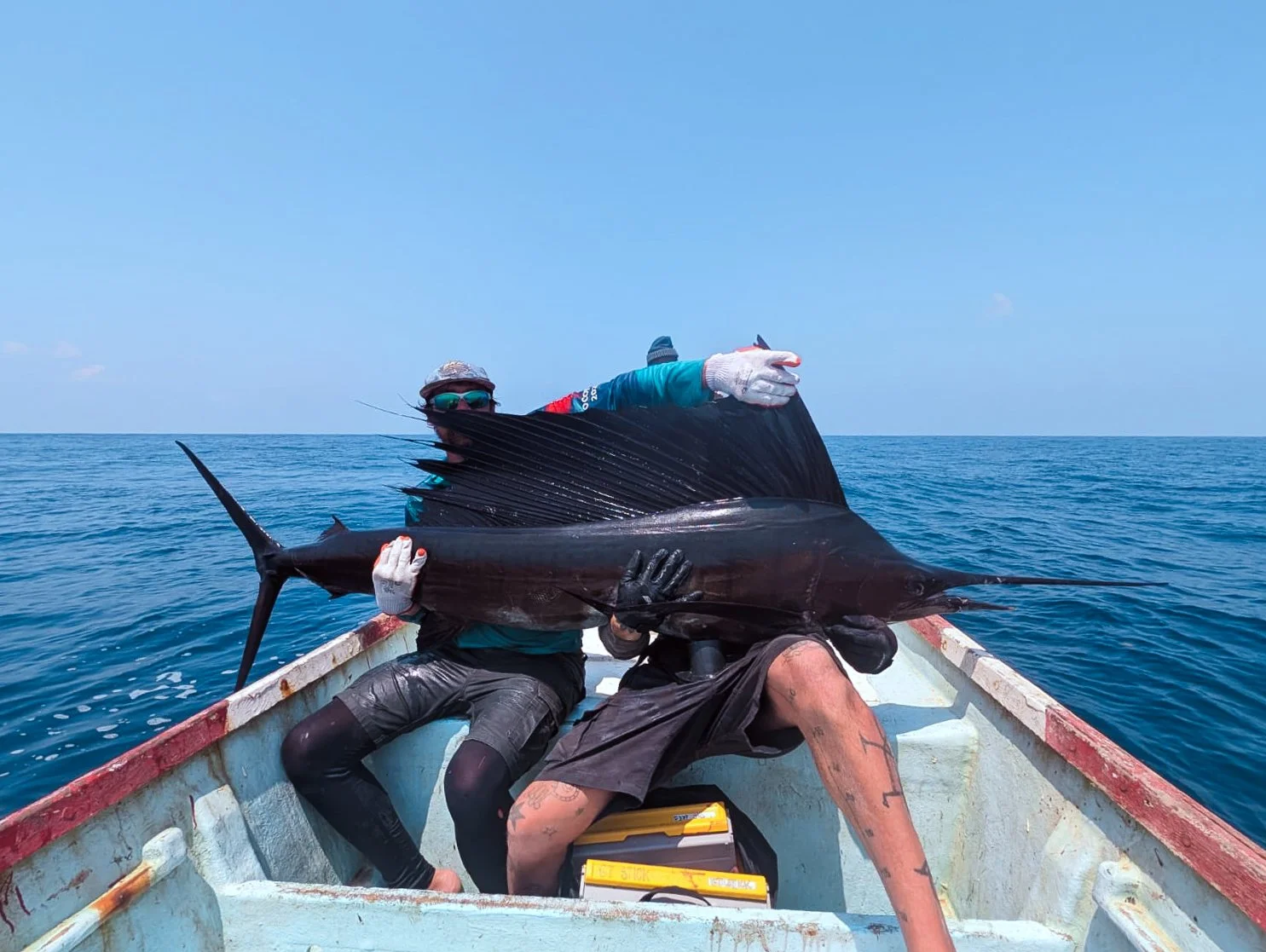
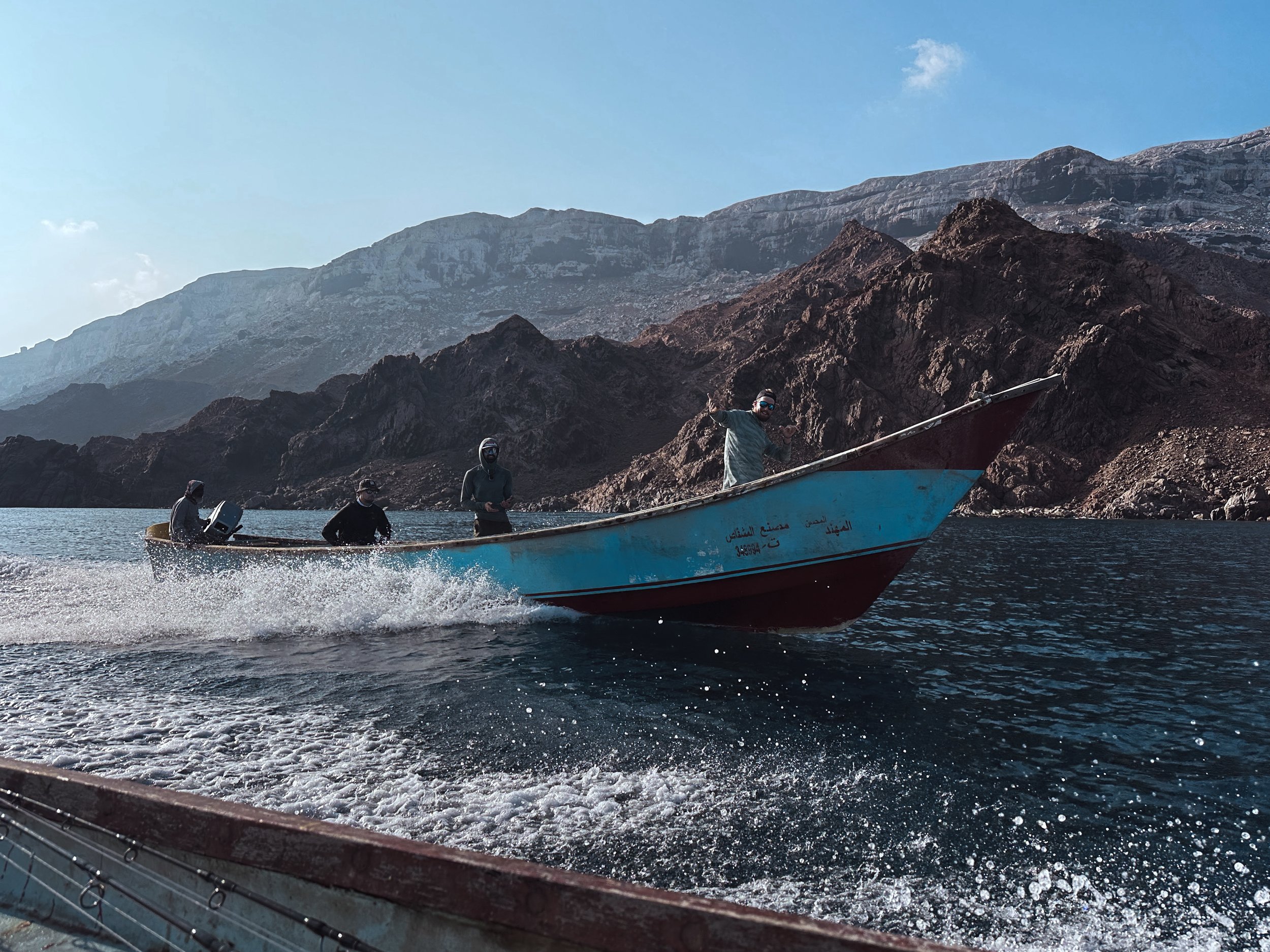
It was a good reminder that an expedition to Samha is never just about one species, even when giant trevally remain the main target.
One Day Changed Everything
As the week progressed, we continued searching for more productive water. When the familiar locations failed to deliver the results we expected, it became increasingly important to explore different areas and look for signs that might lead us to more active fish.
Eventually, the breakthrough came at a secret place.
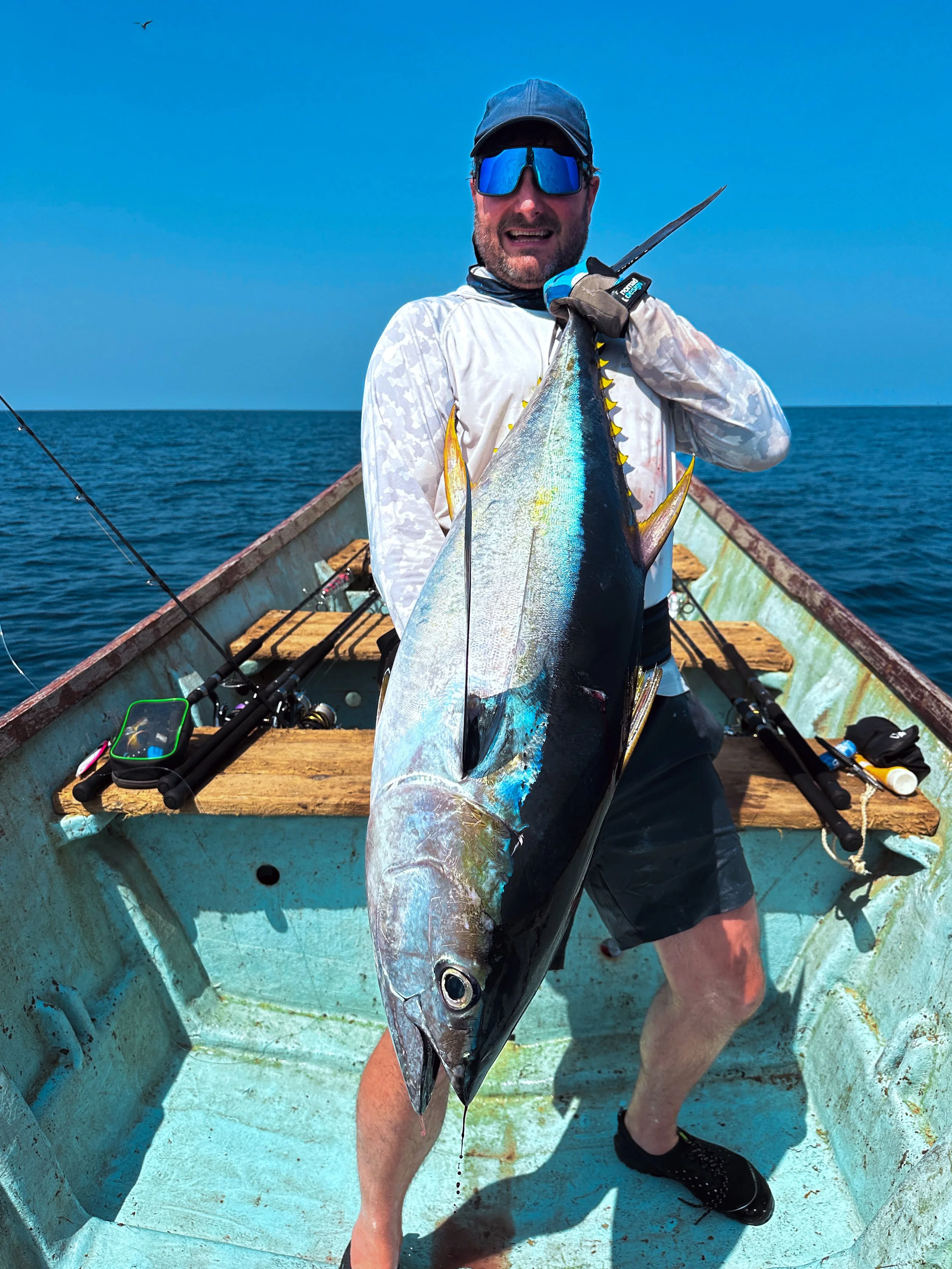
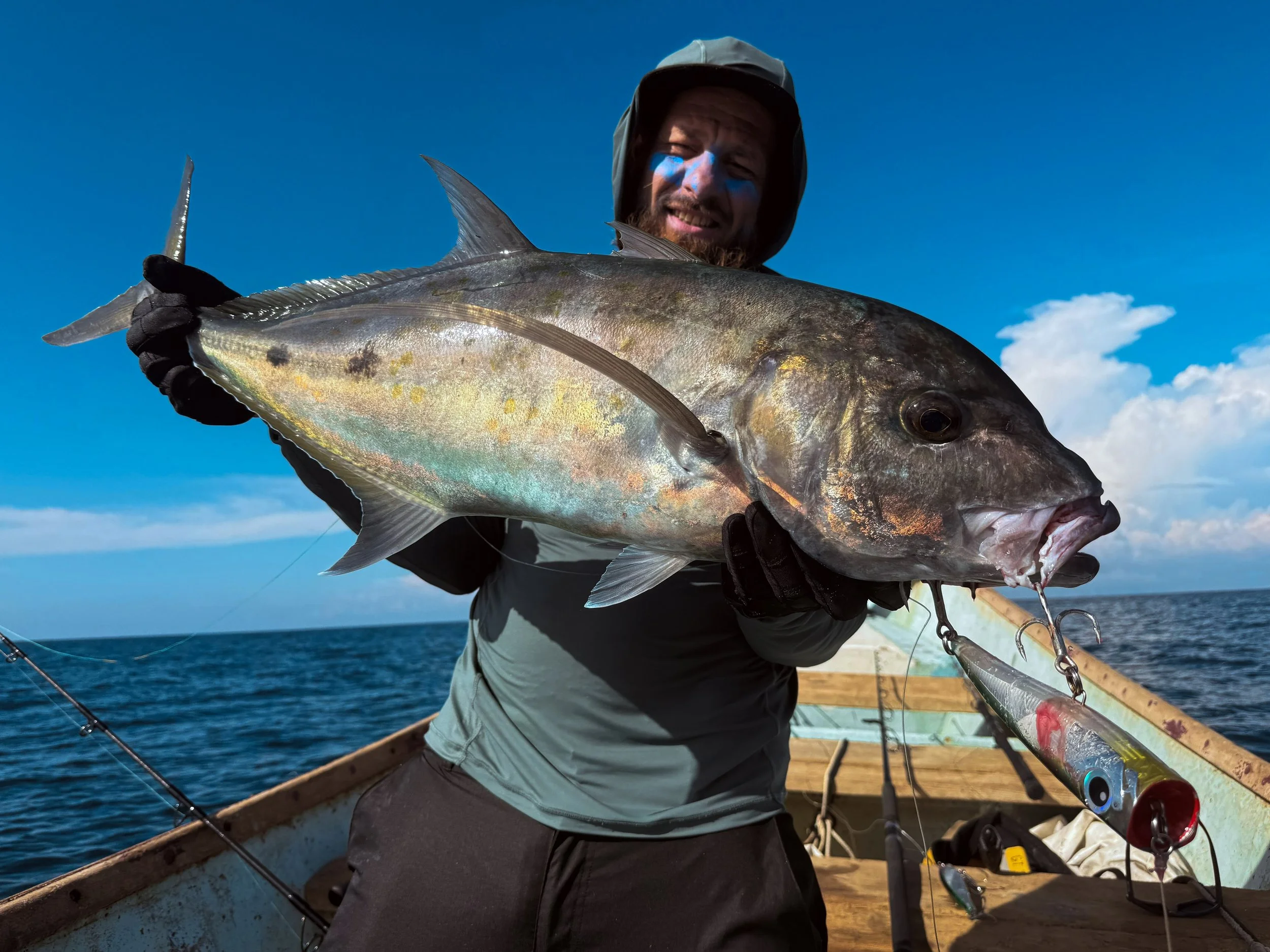
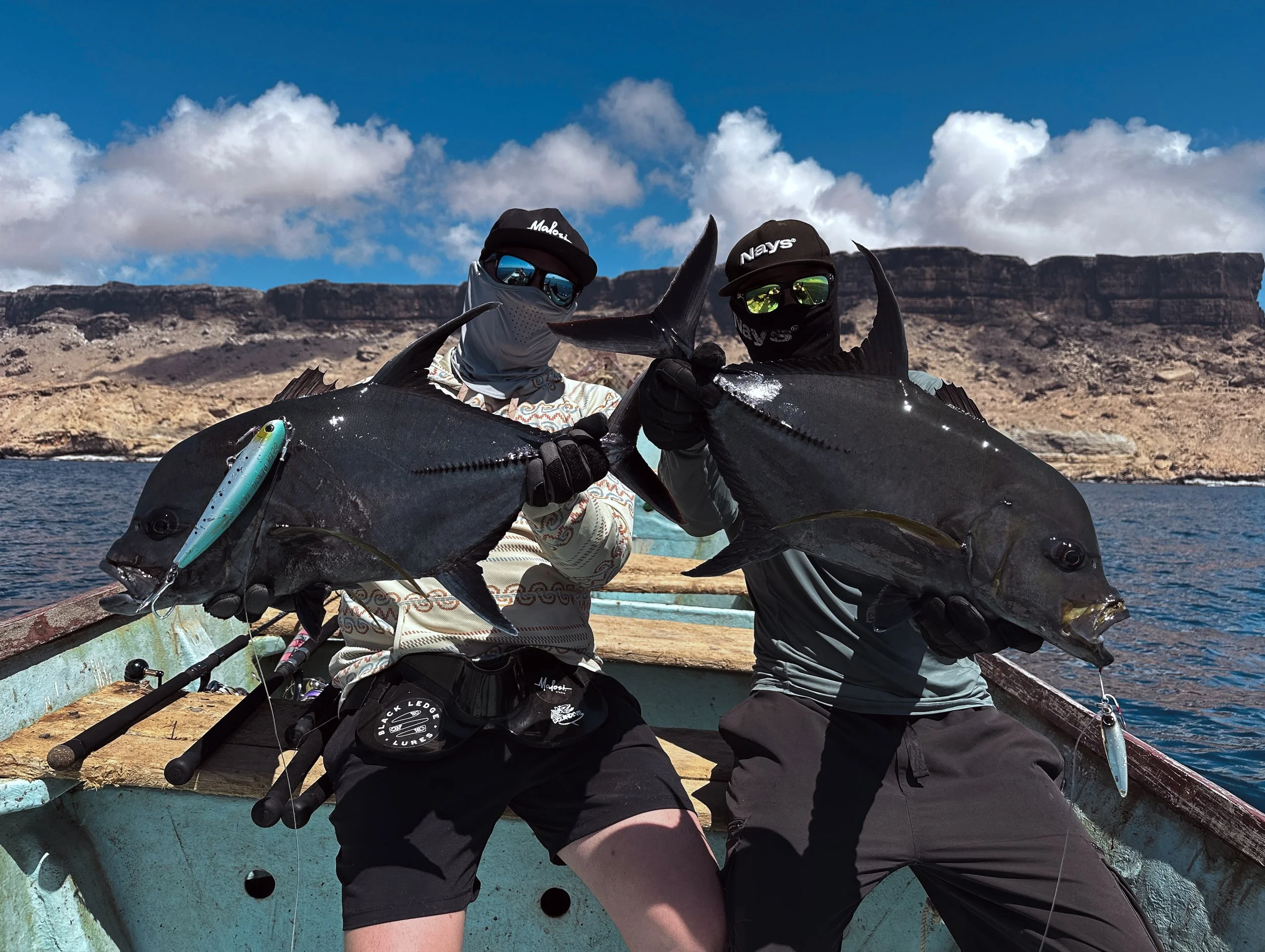
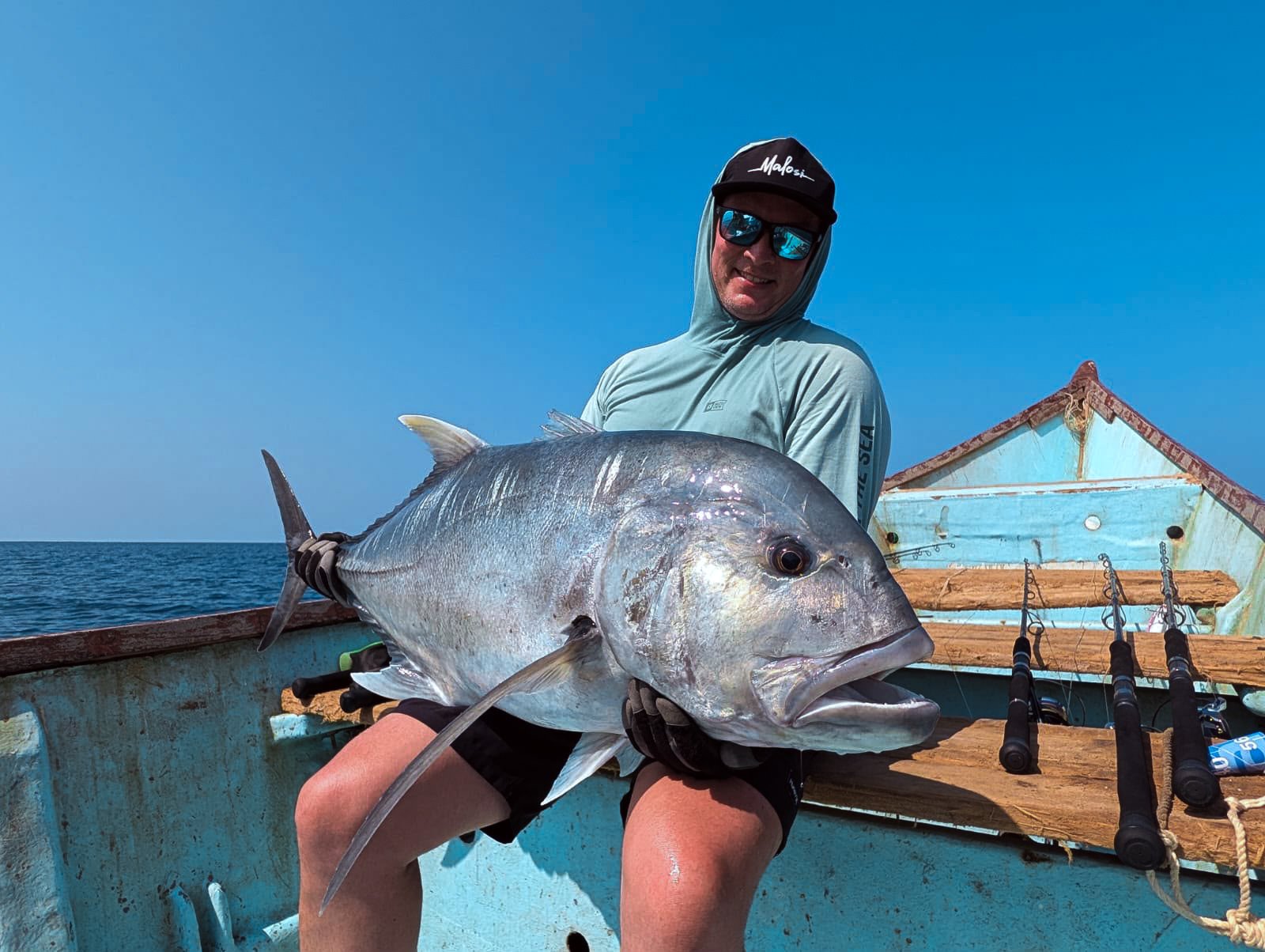
Here, things finally started to come together. The fishing improved, and everyone managed to connect with quality fish. After several demanding sessions, it was exactly the kind of change we had been looking for.
This place produced some of the best moments of the trip, delivering the kind of fish that make all the searching, travelling and countless casts worthwhile.
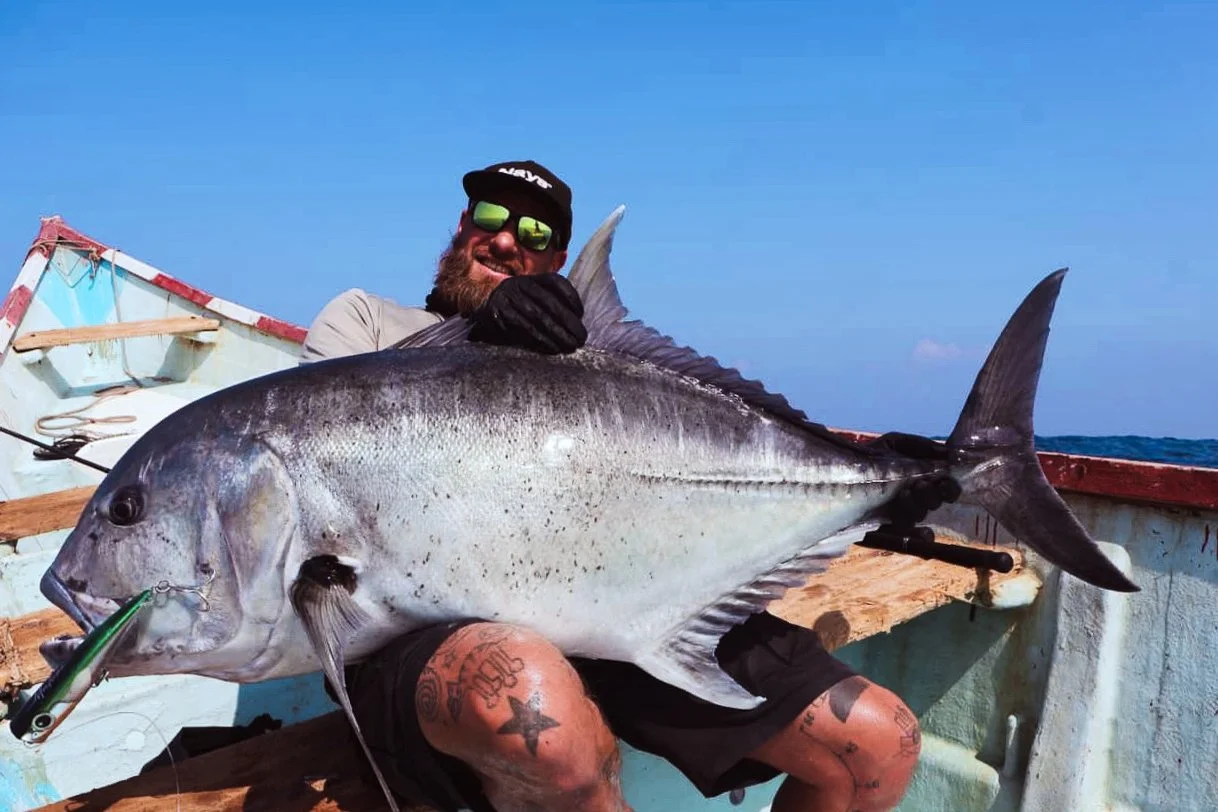
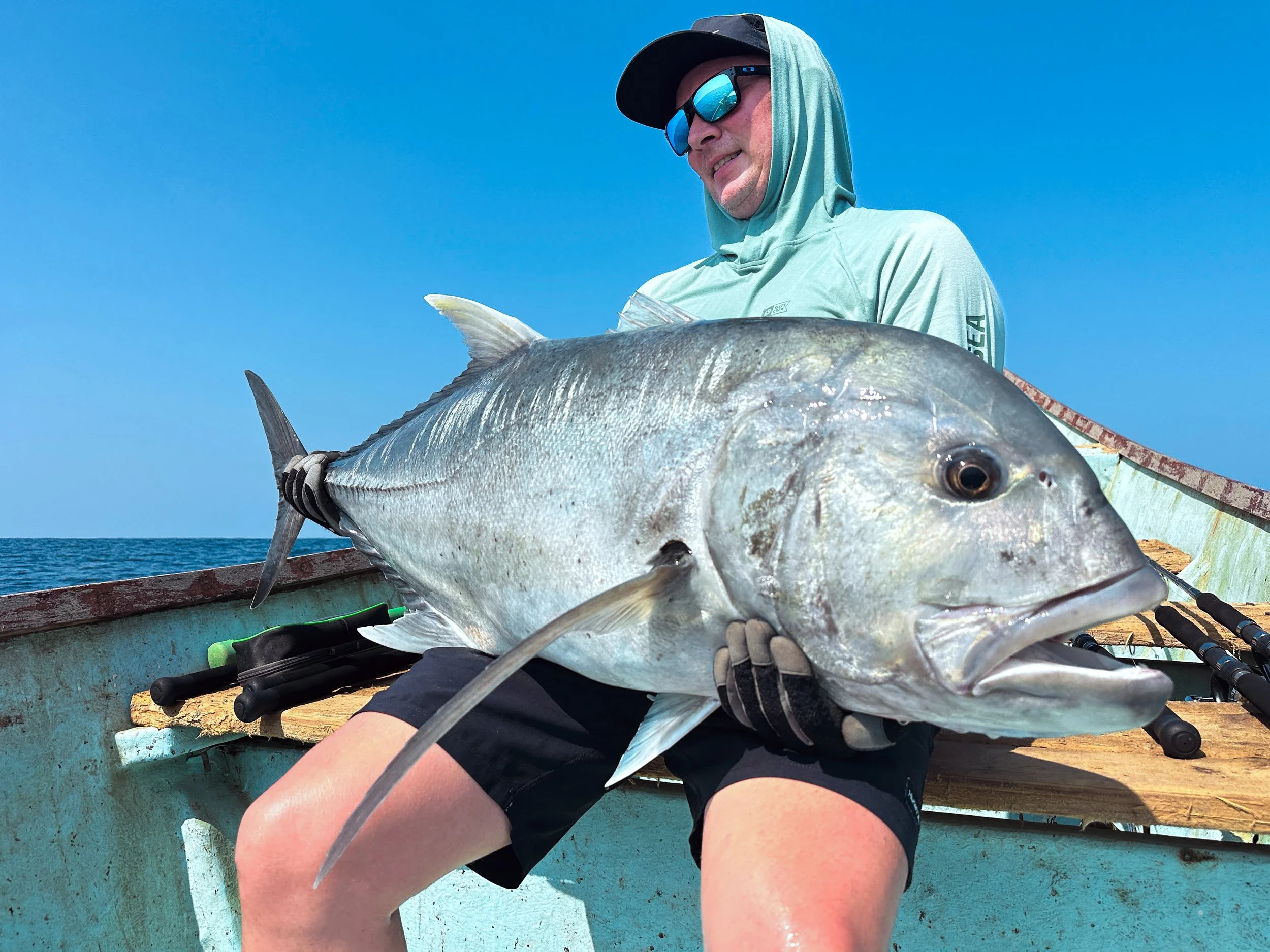
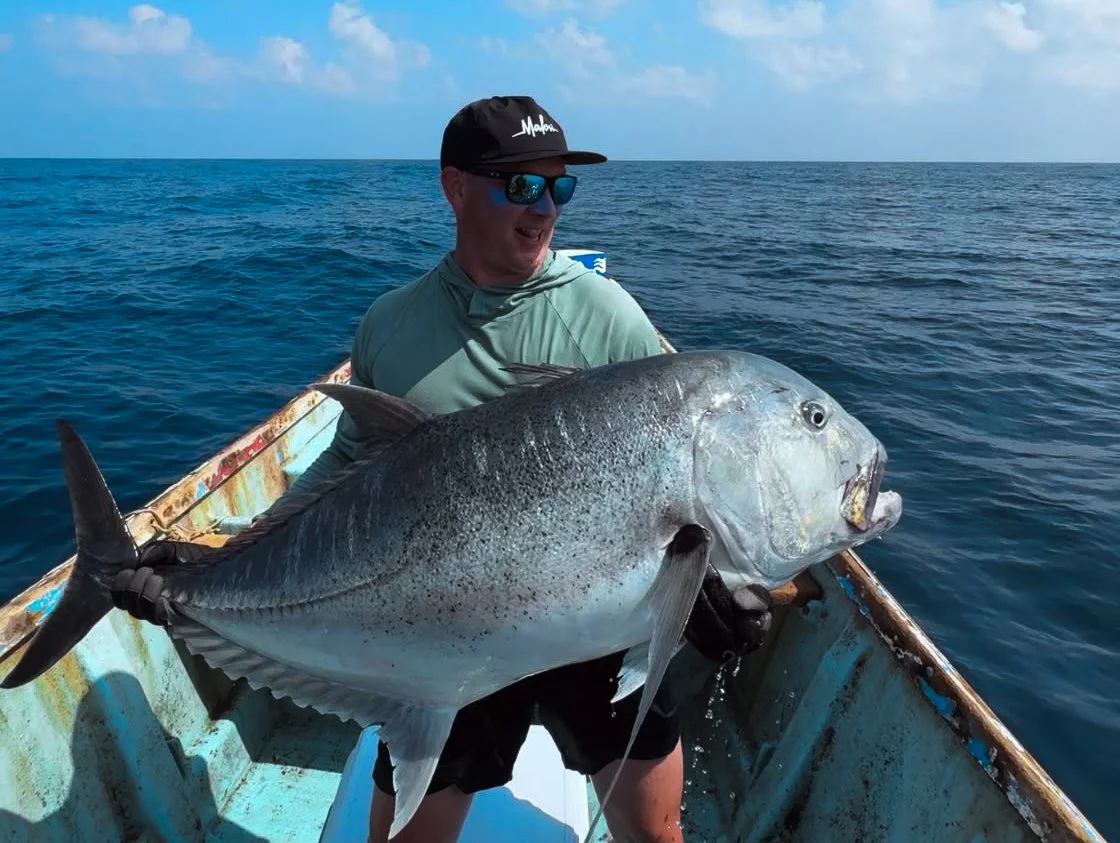
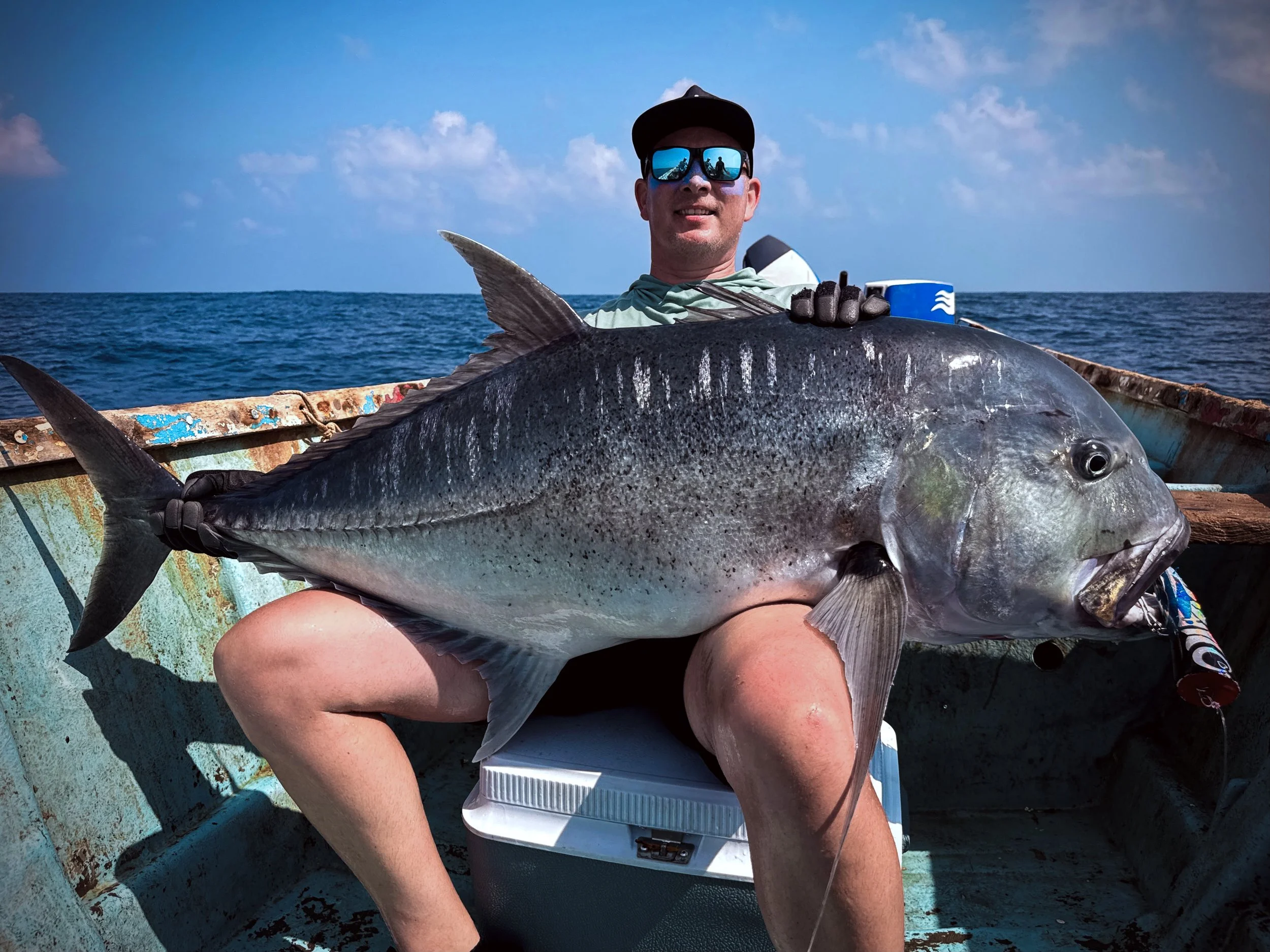
The standout catch was a 148 cm giant trevally, the biggest fish of the expedition and the fish of the trip.
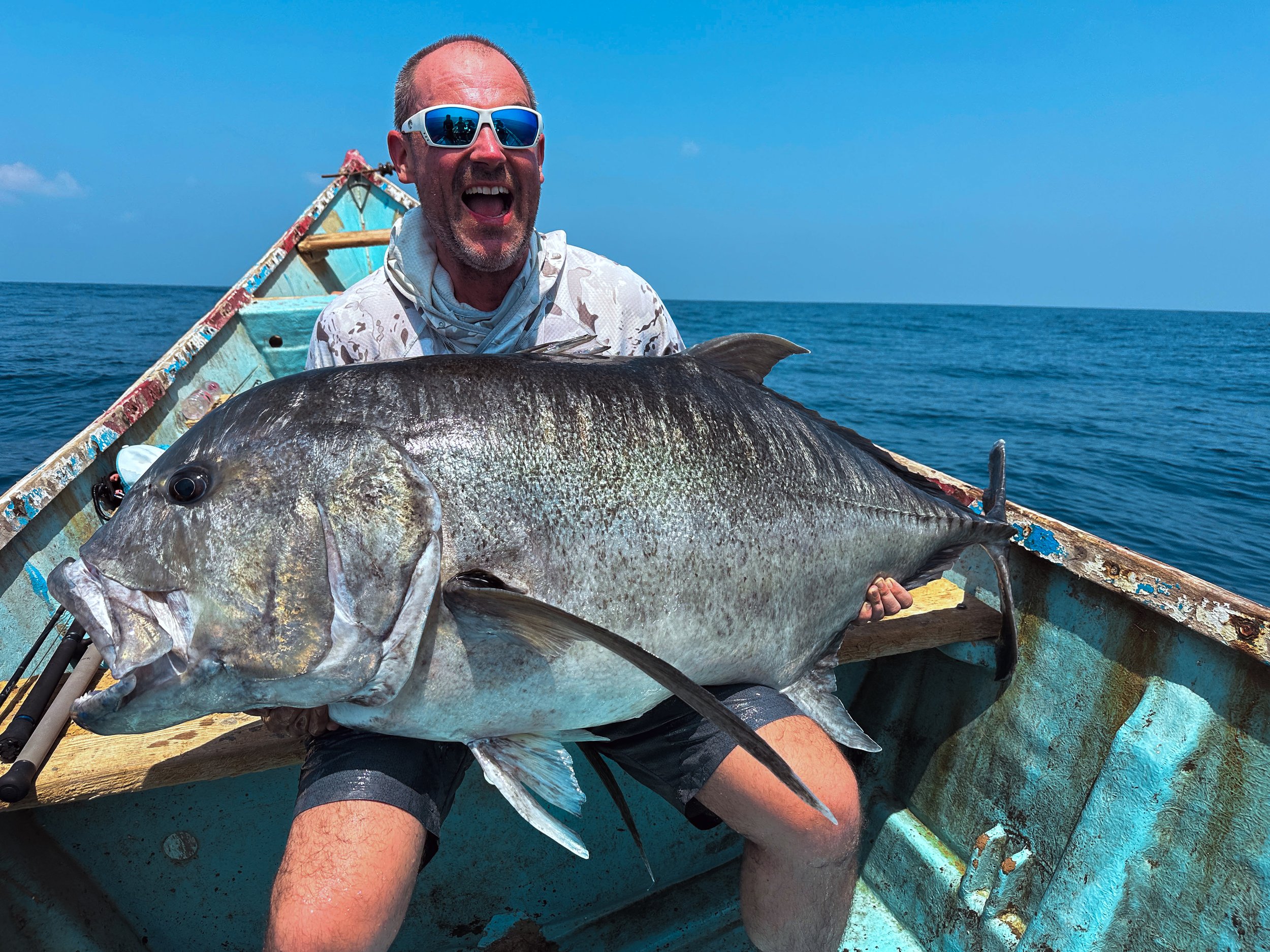
A GT of that size is an impressive catch anywhere, but landing one after a week of challenging conditions makes it even more memorable. It was a reward for persistence and a perfect example of why you cannot judge a fishery by its slowest days.
You can spend hours searching for fish, change locations repeatedly and wonder when the next proper opportunity will come. Then, in a matter of moments, everything changes. A good fish appears, the strike comes, and suddenly all your attention is focused on the fight.
Those are the moments that stay with you long after the expedition ends.
The 148 cm GT was the highlight, but the entire session provided a much-needed boost to the group. After working hard throughout the week, seeing everyone connect with quality fish made the effort worthwhile and gave the trip a strong finish.
Personal Bests and Four Sailfish Later
One of the most satisfying parts of guiding these expeditions is seeing guests achieve something they have been working toward for years. For some, it is their first GT. For others, it is finally landing a fish that pushes their personal record beyond what they thought possible.
This trip delivered plenty of those moments.
By the end of the expedition, every guest had beaten their personal best. The 148 cm giant trevally stood out as the biggest catch, while the four sailfish and the variety of other species added to the overall experience.
Until Next Time,
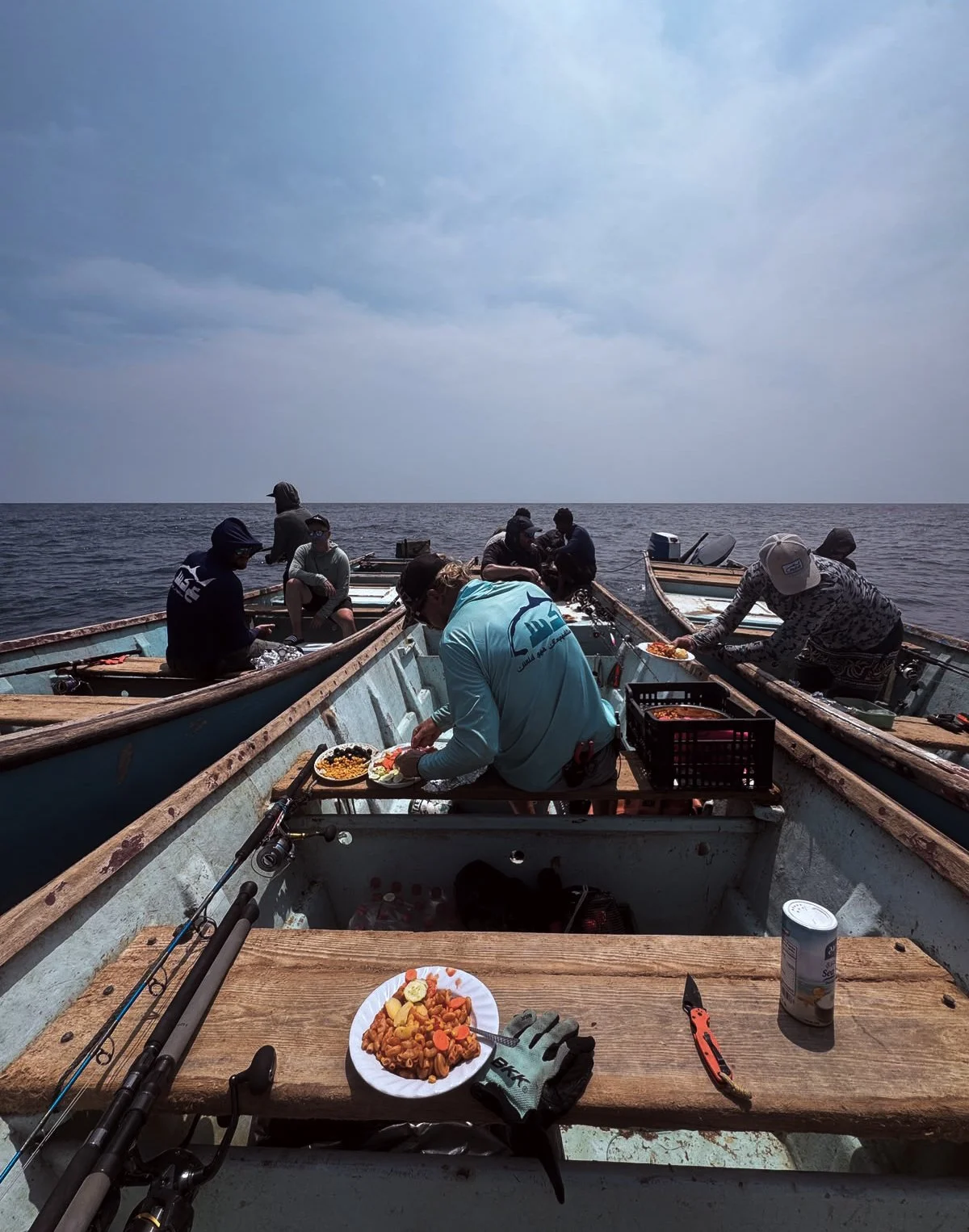
As the expedition came to an end, the guys left with big smiles, new personal records and plenty of memories from a week spent exploring one of Socotra's most unique fisheries.
For those who have already visited, it is a place that stays in the memory. For those who have not, it is an opportunity to experience a genuinely remote fishery where every day brings a different challenge.
And for us, the story is far from finished.
There are still reefs to explore, plateaus to fish, and giant trevally somewhere out there waiting for the right lure to pass in front of them.
Until the next expedition, we will be back.
Text by: Joshua Wareham